
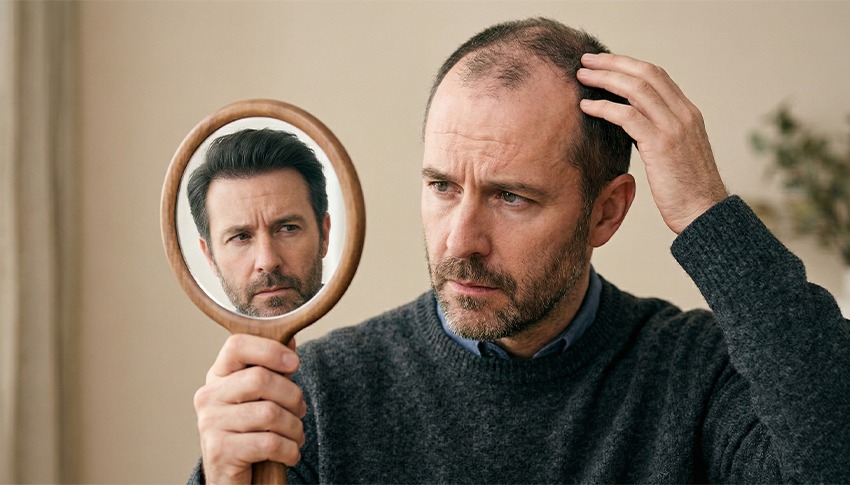
Indeed, there is so much false information about hair restoration that it can be overwhelming. Even though hair transplant is one of the most cutting-edge hair restoration methods accessible today, it’s understandable why many people are hesitant to investigate it due to misconceptions about results and inflated recovery myths. But don’t worry, we’re here to help. Our goal is to correct the record!
Here are some myths you must know about hair transplants.
You can Immediately Return to Your Routine
It’s simple to assume that since a hair transplant is a minimally invasive treatment, you may resume your normal life right away with no modifications or downtime. However, that is untrue. Your scalp needs time to heal, despite the fact that contemporary hair transplants, such as Follicular Unit Extraction (FUE), are less intrusive than traditional techniques. Remember, tiny hair follicles that you recently had transplanted require a peaceful, healthy environment to thrive. Thus, you should stay away from strenuous exercise, high perspiration, and activities that could expose your scalp to bacteria, dirt, or too much sunlight during the first few weeks. Additionally, avoid swimming and saunas since the heat and chlorine might irritate your scalp.
You Will Instantly Get Stronger and Healthier Hair
It’s normal to want your hair transplant to start working right away. You’ve been hoping for fuller, thicker hair for a long time, after all! However, the truth is slightly different. You won’t immediately have a full head of hair when you leave the facility. The hair will grow gradually over the following few months following the original surgery. It frequently takes nine to twelve months after surgery for the ultimate outcome to become apparent. It’s a slow process that calls for patience. It takes time for the new hair to grow long enough to truly make a difference, but many people begin to see new growth around three months. Your full, lifelong, natural-looking hair will be the real outcome of your transplant by the 12-month mark.
You Will Lose All Transplanted Hair
The idea that all of your new hair will fall out and not grow back after your transplant is one of the deadliest fallacies. Imagine having the procedure and then losing all of your new hair! In reality, this is normal, so don’t worry! It’s possible for your transplanted hair to fall out, but this is a normal side effect known as “shock loss.” It is entirely transient. The hair shaft itself sheds because it is undergoing a transition, but the new follicles beneath the skin are still alive and thriving. Soon after the surgery, usually three to four months later, new hair will begin to grow. After that, it will keep expanding, and you will begin to notice more comprehensive outcomes. Therefore, if you find that some of your hair is falling out, don’t worry; it’s a normal part of the process.
Sun Exposure Is Not a Concern for Following the Hair Transplant
People frequently believe that sunlight has no effect on the healing process of hair transplants. However, it’s not a good idea to spend too much time in the sun following surgeries, particularly in those initial weeks of recovery. The skin on your head will be as sensitive as a baby’s. Thus, UV rays can irritate your skin, cause it to turn red, and damage your recently placed hair grafts. So, avoid direct sunlight for approximately one month following the transplant. Additionally, wear a hat if you must go outside.
You Can Use Your Regular Hair Products
Everyone has a favorite shampoo, conditioner, or styling product, let’s face it. You may therefore be excited to resume your regular haircare regimen as soon as possible following the hair transplant. Is that a good idea, though? Probably not! Your scalp will be sensitive and recovering during the first few weeks following your transplant. Using your old hair products could irritate the region and perhaps slow down the healing process, especially if they contain harsh chemicals or smells. Until your scalp heals completely, stick to mild, doctor-recommended products. Use products that support healthy hair in the long run. Seek out shampoos devoid of parabens and sulfates, and think about incorporating some hair-nourishing serums into your regimen. Maintaining your hair is a continuous effort rather than a one-time event.