
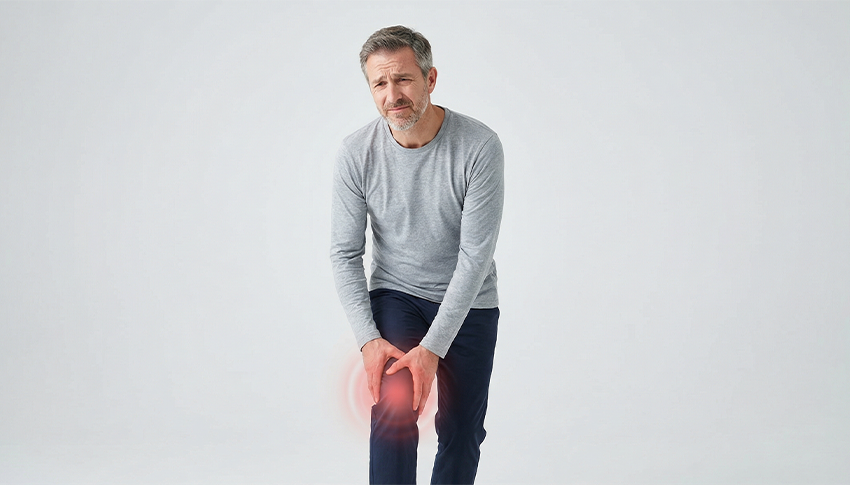
Did you know that almost 20-30% people in Pakistan suffer from osteoarthritis? Unfortunately, osteoarthritis (OA) is still one of the most prevalent joint disorders in the world. But the good news is that new treatments that go well beyond conventional painkillers have emerged in 2025. Modern osteoarthritis therapies aim for long-term relief, increased mobility, and delay the advancement of joint damage, encouraging lifestyle improvements.
Therefore, we’ve outlined the best osteoarthritis therapies to relieve pain and improve lifestyle.
Individualized Physical Therapy
The foundation of osteoarthritis therapies is still exercise, but in 2025, the strategy has become much more individualized. Motion-tracking assessments, which examine how patients walk, squat, and distribute weight, are now used by physiotherapists to create programs. These insights aid in customizing exercises for strength, flexibility, and balance that focus on specific problem areas. For instance, quadriceps building, glute activation, and low-impact cardio exercises like cycling or water aerobics are frequently beneficial for patients with knee OA.
In the meantime, different movement patterns might be needed for people with hand or hip OA. The customized approach guarantees that exercise promotes rather than exacerbates joint stability and lowers the chance of flare-ups. Additionally, regular exercise improves mood, increases blood flow to cartilage, and improves general function. Patients frequently report less stiffness, increased mobility, and a decreased need for medication with regular practice.
Manual Techniques and Physical Therapy
Although physical therapy is still vital, contemporary methods have greatly improved. To lessen stiffness and enhance movement, modern physiotherapists employ targeted manual therapy, such as joint movement, soft tissue release, and myofascial techniques. These practical exercises improve muscle activation and release tension around afflicted joints. In order to lessen pain and encourage healing, therapists frequently use techniques like electrotherapy, heat therapy, and ultrasound. Virtual physical therapy has also gained popularity in 2025. Applications that use motion detectors to offer real-time corrections allow patients to follow guided physical therapy sessions. More consistency and long-term treatment adherence are ensured by this hybrid approach.
Platelet-Rich Plasma (PRP)
In 2025, PRP therapy has emerged as a leading regenerative treatment. Blood is extracted from the patient, processed to concentrate platelets, and then injected into the afflicted joint. Growth factors that promote tissue repair, lower inflammation, and enhance joint function are released by these platelets. Because PRP employs the body’s natural healing processes and provides more sustained relief than steroids, many patients favor it. According to studies conducted in 2025, PRP is especially beneficial for early to mild OA, with enhancements in pain, stiffness, and mobility occurring over several months. Due to advancements in processing technology, the procedure is becoming more widely available, minimally invasive, and requires little recovery time. While not everyone responds well to PRP, many people find that it postpones their need for joint replacement.
Controlling Weight and Anti-Inflammatory Foods
One of the best long-term osteoarthritis therapies, particularly in the knee, hip, and spine, is to maintain a healthy weight. By 2025, weight management solutions will incorporate AI-assisted progress tracking, personalized meal planning, and metabolic analysis. Even a 5–10% weight loss can greatly lessen the strain on joints and lower the body’s inflammatory signals. Another important factor in pain relief is anti-inflammatory nutrition. Joint swelling can be lessened with diets high in leafy greens, whole grains, nuts, antioxidant-rich fruits, and omega-3 fatty acids. Due to their inherent anti-inflammatory qualities, foods like green tea, ginger, and turmeric are especially advantageous. This all-encompassing combination enhances other therapies and promotes long-term pain management.
Topical Therapies and Painkillers
Medication is still a crucial component of managing OA, particularly during flare-ups. Doctors now advise a safer, more focused strategy. In order to lower long-term risks, nonsteroidal anti-inflammatory drugs (NSAIDs) are now prescribed at the lowest effective dose. Topical creams with components like capsaicin, diclofenac, or menthol, which provide localized relief without systemic side effects, also help a lot of patients. When pain gets really bad, doctors sometimes recommend nerve-modulating drugs or temporary painkillers. Slow-release formulations have also become more popular, guaranteeing consistent relief all day. However, it is not recommended to take painkillers without a doctor’s prescription.
Thanks to new advancements, osteoarthritis therapies in 2025 are more diversified, developed, and personalized than ever before. Regenerative therapies, such as PRP, have allowed patients to recover faster through various means, as well as more intelligent lifestyle habits and enhanced physical therapy options to keep their bodies safe. With the support of doctors and regular self-treatment, patients with osteoarthritis can be mobile, alleviate the symptoms, and have a much better quality of life without any hassle.