
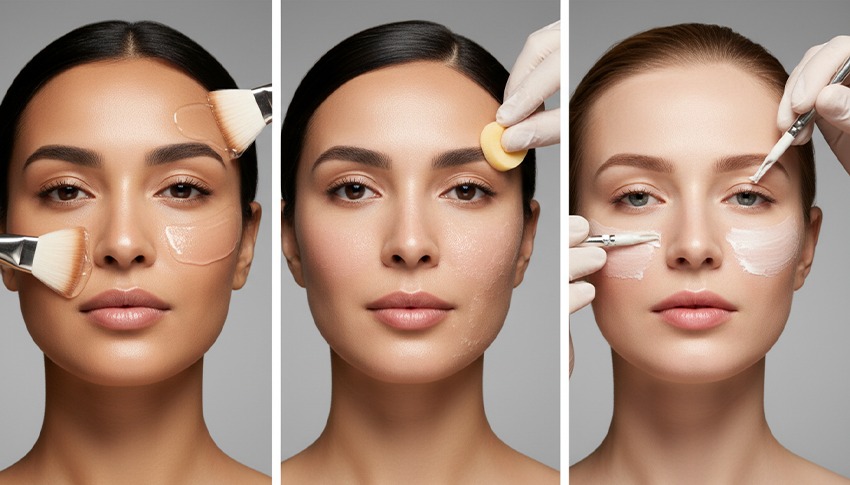
Are you on a quest for youthful, radiant, and fresh-looking skin? If yes, chemical peels have become a popular solution. It offers a range of options customized to every individual’s skin concerns. However, as more and more people seek chemical peels to rejuvenate their skin, understanding the difference between different types of chemical peel depths is crucial.
Therefore, read this guide to learn more about different types of chemical peels.
What Are Chemical Peels?
Chemical peels are cosmetic procedures in which the outer layers of the skin are removed by using a chemical solution. Targeting issues like fine lines, wrinkles, uneven pigmentation, acne scars, and sun damage, this gentle exfoliation encourages the appearance of healthier, younger skin underneath.
Depths of Chemical Peels
There are different depths of chemical peels.
Superficial Peels
By eliminating the outermost layer of dead skin cells, superficial chemical peels are a common cosmetic procedure used to enhance the appearance of the skin. Alpha-hydroxy acids (AHAs) and beta-hydroxy acids (BHAs), which are softer acids that gently exfoliate the skin without seriously harming the underlying layers, are commonly used in these peels. Brighter skin, better skin texture, and less noticeable fine wrinkles and minor flaws are all advantages of superficial peels. They work especially well to treat conditions like sun damage, uneven skin tone, and minor acne scars. These peels can also improve the skin’s general brightness, giving it a younger and healthier appearance.
Medium Peels
Compared to superficial peels, medium chemical peels have a stronger exfoliating effect since they penetrate the dermis’s deeper layers. To increase their penetration and effectiveness, they are frequently made of salicylic acid, which is occasionally mixed with other acids or pharmaceutical-grade substances. Medium chemicals are used to treat photoaging-related changes, uneven skin tone, and mild to moderate scarring. However, individuals should anticipate a more noticeable peeling reaction because of their deeper activity, and they might need a little recuperation period while the skin heals.
Deep Peels
Deep chemical peels are a type of skin therapy that reaches deeper layers of the skin. Deep wrinkles, extensive UV damage, and uneven skin tone are among the more serious skin conditions they are intended to treat. Trichloroacetic acid (TCA) and phenol are commonly employed as the main ingredients in deep peels because they exfoliate the skin and encourage cellular turnover. The capacity of deep peels to yield more striking and durable results is one of their key benefits. After receiving this therapy, patients frequently notice notable improvements in their skin’s texture, tone, and general look. Deep peels can also increase the creation of collagen, which results in skin that is firmer and looks younger. Deep peels require careful aftercare because patients may have peeling, redness, and swelling that lasts for several weeks.
How to Decide on the Right Chemical Peel for You?
In order to decide on the right chemical peel for you, think over and ask the following questions to your dermatologist:
- Which kind of peel is best for my main skin concern?: This makes it more likely that the treatment will address your unique problem rather than using a one-size-fits-all strategy.
- Which skin types are best suited for this specific peel?: If your skin is prone to irritation or sensitivity, this question is crucial to preventing undesirable side effects, including pigmentation problems.
- What kind of shedding or peeling can I anticipate from this type? Planning social or business activities around any downtime will be easier if you are aware of the potential reactions.
- Are there any adverse reactions between this peel and any drugs or items I’m consuming right now? Prior to therapy, some active substances, including retinoids or acne treatments, must be stopped since they may make you more sensitive to peeling agents.
- What is proper aftercare for this particular peel? Even though all chemical peels must come with aftercare instructions, it’s still a good idea to inquire about the particular procedures, supplies, and safety measures.
- If a longer-term treatment plan is required, how does this option fit into it? This enables your attending dermatologist to clarify whether the peel is a stand-alone treatment or a component of a more comprehensive plan for long-lasting effects.
- Which adverse effects are most frequently linked to this kind of peel?: Knowing what’s typical and when to follow up is made easier by anticipating short-term symptoms like redness, flaking, or irritation.
- In terms of depth and anticipated outcomes, how does this peel stack up against others? You may better prepare your body and mind for what comes next by being aware of the level of exfoliation and the anticipated skin reaction.