
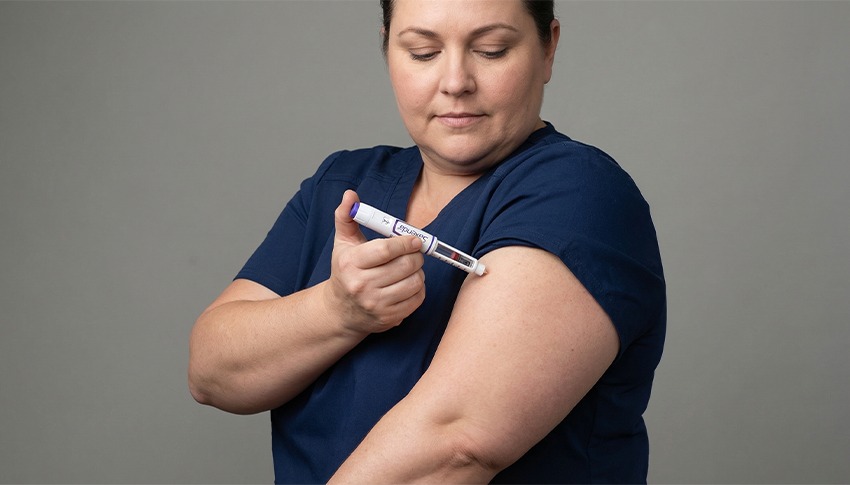
Have you recently started taking Saxenda injections, or are you thinking about getting Saxenda injections? If yes, it’s important to understand the results of Saxenda injections beforehand! Afterall, knowing what to expect after the treatment will help you build realistic expectations and goals.
Thus, we’ve outlined a guide to help you understand Saxenda injection results.
What Are Saxenda Injections and How Do They Work?
A prescription medication called Saxenda (liraglutide 3.0 mg) is authorized to help people who are overweight (BMI ≥27 kg/m2) or obese (BMI ≥30 kg/m2) and have at least one weight-related comorbidity, such as type 2 diabetes, hypertension, or dyslipidemia. It is given as a subcutaneous injection once daily and is meant to be used in conjunction with a lower-calorie diet and more exercise.
Remember, Saxenda injection’s approach is more physiological, interacting with the body’s natural appetite-regulating mechanisms, in contrast to some weight reduction drugs that mainly function through stimulant effects or fat absorption inhibition. The drug makes it easier to follow a calorie-restricted diet by making it easier to eat less, rather than immediately burning fat or speeding up metabolism.
How Long Does It Take to See Results?
Although everyone’s experience with Saxenda injections differs, most patients experience measurable weight loss 4–12 weeks after beginning treatment, with more consistent outcomes usually appearing after reaching the full maintenance dose. It’s crucial to realize that Saxenda is not a quick fix; rather, weight reduction happens gradually as dietary and lifestyle modifications take effect and the medicine is titrated up to the therapeutic level.
Remember, the patients may gradually increase their daily dose from 0.6 mg to the maximum 3.0 mg maintenance dose throughout the initial dose escalation period, which is usually 5 weeks. The purpose of this titration regimen is to reduce gastrointestinal adverse effects, including nausea and vomiting. While their bodies get used to the drug, some patients may lose a little weight during this phase, while others may observe no change on the scales.
What Factors Influence Saxenda Injections’ Effectiveness?
Remember, how quickly and successfully Saxenda injections aid in weight loss depends on a number of factors. Setting reasonable expectations and identifying areas that can benefit from extra support are made easier with an understanding of the following factors.
Adherence to Lifestyle Changes
Saxenda injections are approved as a supplement to a lower-calorie diet and more exercise; they are not a suitable treatment on their own. Compared to patients who only take the medication, individuals who regularly follow a structured diet plan with an acceptable calorie deficit and participate in regular physical exercise usually see faster and more noticeable improvements. By decreasing appetite, the drug facilitates adherence to certain lifestyle modifications, although the modifications themselves are still necessary.
Dosing and Medication Compliance
Effectiveness can be considerably decreased by skipping doses or by not taking the entire 3.0 mg maintenance dose. Results may be compromised if certain patients suffer from dosage-limiting side effects that keep them from achieving the therapeutic dose. Additionally, concurrent medications may be important because some medications, such as corticosteroids or some antipsychotics, can cause weight gain and may negate the advantages of Saxenda. Crucially, Saxenda injections should not be taken with other GLP-1 receptor agonists. Patients with type 2 diabetes may require dose modifications for insulin or sulfonylureas to lower their risk of hypoglycemia.
Body Composition and Initial Weight
Although percentage weight loss may be comparable across BMI categories, people with higher starting BMIs may lose weight more quickly in absolute terms (kg lost). The rate of weight reduction can be influenced by metabolic parameters such as insulin resistance, thyroid function, and hormonal balance. Patients who have untreated polycystic ovarian syndrome (PCOS) or hypothyroidism may make less progress; therefore, it is crucial to address these illnesses as best as possible to maximize benefits.
What to Anticipate During the Initial Weeks of Saxenda Injections?
- A beginning dose of 0.6 mg once daily is administered at the start of the first week. Most individuals have little appetite suppression at this low dosage, and weight loss is usually slight or nonexistent. Mild gastrointestinal symptoms, like nausea, are common in some people but are typically temporary. Saxenda injections should be given at around the same time every day, but they can be injected at any time of day, regardless of when you eat.
- Every week from weeks two to five, the dosage is raised. The degree of appetite suppression rises with dosage. Patients frequently report having fewer cravings in between meals and feeling fuller after consuming smaller servings. The most frequent gastrointestinal adverse effects during this escalation period include nausea, vomiting, diarrhea, constipation, and abdominal pain.
- Throughout the first month, weight fluctuations are unpredictable. Due to things like water retention or increased muscle mass from new exercise regimens, some individuals may notice little change in their weight or even small weight gain, while others may lose one to three kg. However, this shouldn’t worry you because it’s typical.