
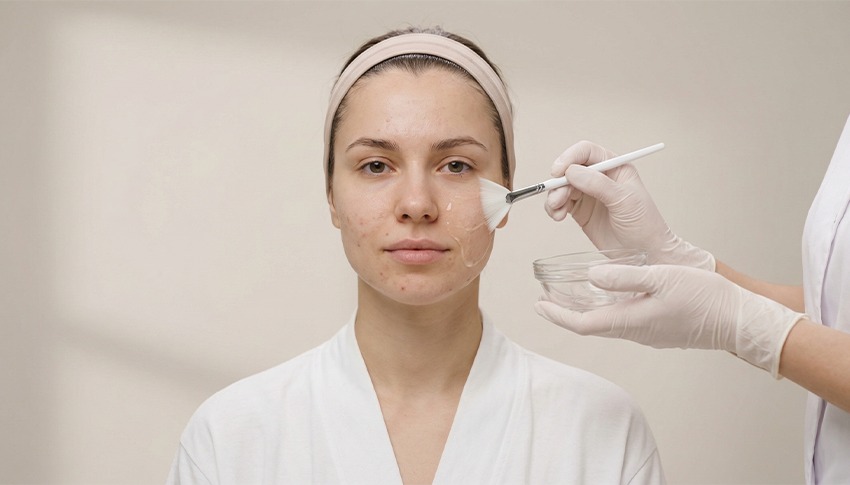
Have you heard about chemical peels? Many people think of chemical peels as anti-aging procedures. Even though chemical peels are great anti-aging treatments, they can also treat a wide range of skin issues at almost any age. Chemical peels offer a variety of skin benefits for every stage of life, and their depths, active substances, and frequency can be tailored to your specific requirements!
Learn more about chemical peels here, including when to include them in your daily skincare routine.
What is a Chemical Peel?
A chemical peel, sometimes referred to as derma peeling or chemexfoliation, can enhance the look of your skin. The skin’s dermis and epidermis are damaged and peeled when a chemical solution is applied. The younger layer of skin is exposed when the outermost layer is removed. Compared to the old skin, the new skin is more luminous and has a more uniform tone.
Which Skin Concerns Can Chemical Peels Address?
By altering the tone and texture of the skin and treating certain skin issues, chemical peels can enhance a person’s appearance. The most popular areas for chemical peels are the hands, face, and neck. They could address the following concerns:
- Wrinkles from sun exposure, aging, and heredity, as well as fine lines under the eyes or around the lips.
- Particular types of acne.
- Sunspots, liver spots, age spots, freckles, and uneven skin tones are rare signs of scarring.
- A dull complexion, flaky skin, and scaly patches.
Remember, sags, bulges, deep scars, deep facial lines, and more severe wrinkles may not respond well to chemical peels. Other types of cosmetic surgery, such as a facelift, brow lift, eye lift, or soft tissue filler, are better suited to address these problems. You can discuss your concerns with your provider to identify the best course of action. You can work with your dermatologist to determine the extent of your peel. This choice is best made in consultation with your physician and may vary depending on the condition of your skin and your treatment objectives.
Chemical Peels for Teenagers
Teenagers are the group most impacted by acne. Teenagers frequently suffer from hormonal acne, which can be difficult to get rid of despite careful washing. Fortunately, chemical peels are a triple threat to acne since they contain active ingredients like lactic acid and glycolic acid that remove dead skin cells and debris while reducing oiliness and pore activity. If you’re seeking effective acne treatments, chemical peels can do wonders for your skin. With regular treatments, you’ll see significant improvements, and your doctor may even need to prescribe less retinoids.
Chemical Peels for Young Individuals
Adults in their twenties and thirties often worry about sun damage, acne scarring, and preventing the earliest signs of aging because their lifestyle is catching up with them at this age. Additionally, as young adults become financially independent, they frequently seek professional assistance for skin conditions like freckles, redness, or spots that have persisted despite careful at-home treatment. Thus, if you enjoy being outside in the sun, chemical peels are a great way to shield your skin from the sun and postpone the beginning of problems like dullness, pigmentation, and obvious aging.
Chemical Peels for Adults
People in their 40s and beyond frequently worry about aging and sun damage. Due to decreasing collagen production and cell turnover, many middle-aged people begin to experience dryness, which exacerbates fine lines and wrinkles. The skin’s outermost layer, the epidermis, is no longer able to resist dryness and UV damage. At this time, pigmentation conditions like melasma, rosacea, and age spots can develop, making it increasingly harder to maintain clear, glowing skin. By eliminating dead, damaged skin cells and replenishing your skin’s moisture barrier, chemical peels are an excellent method for improving the texture and suppleness of your skin. Ultimately, fine lines and wrinkles will disappear, leaving you looking younger and more rejuvenated.
What Happens During the Procedure?
- Your skin will be cleaned by an oil-absorbing material while your eyes and hair will be protected.
- Your skin will then be massaged with a chemical solution. Glycolic acid, trichloroacetic acid, salicylic acid, lactic acid, and carbolic acid (phenol) are examples of acidic solutions that may be commonly used.
- In order to generate a controlled injury, chemicals will be applied to the skin, which is then pulled back to reveal new skin beneath.
- Different chemical formulas have different results. Any chemical can be employed, but it’s important to think about your final goal before making a choice.
A solution will be applied to the skin during chemical peels. For a few minutes, you can feel warm to somewhat hot. The sting may be lessened by applying a cool compress to the affected region. The chemical will be neutralized or washed away after it has been removed.