
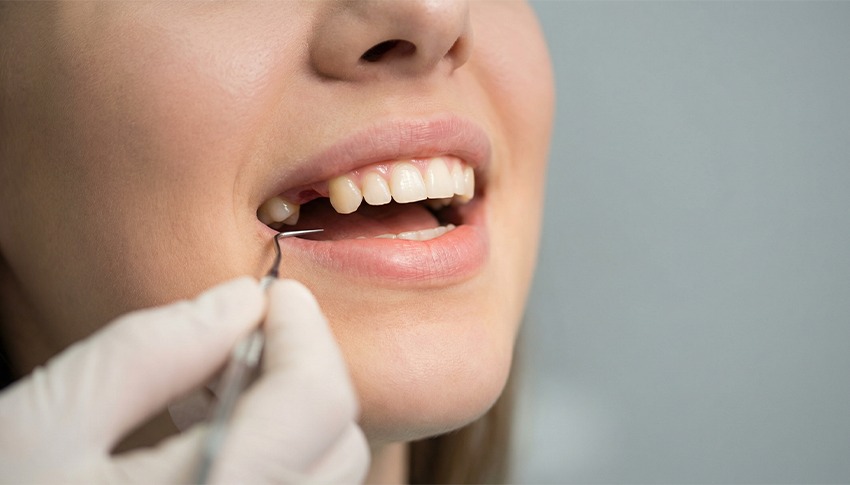
Missing or damaged teeth can affect an individual’s confidence, self-esteem, and appearance. The good news is that you can fix your smile with dental implants. Whether for functional or aesthetic purposes, dental implants are a great replacement for natural teeth.
If you want to learn more about dental implants, read this guide.
What Are Dental Implants?
In order to replace lost teeth, dental implants, which are often composed of titanium, are inserted into the mandible. Through a process known as osseointegration, the implant and bone merge after implantation to form a strong and long-lasting foundation.
A custom-made crown that blends in with the surrounding teeth’s color and shape is then secured by the dentist using an abutment. Because of this configuration, the implant can resemble a natural tooth in appearance, feel, and functionality. The implant helps maintain bone structure, preserving the natural contour of the face, and it doesn’t shift or slip like dentures since it attaches firmly to the jawbone.
How Do Dental Implants Work?
- Planning and consultation: As the name suggests, you will first meet with your dentist to determine whether you are a good candidate for the procedure. You will be asked to take X-rays or CT scans and have your teeth and gums inspected if you qualify.
- Tooth extraction and bone grafting (if required): Any decayed or damaged teeth will be extracted once your customized plan has been sent to you. Bone grafting will also be done at this time if your jawbone is not dense enough to hold the implant.
- Implant placement: The dental implants are surgically inserted into your jawbone when it has recovered from the earlier treatments. To make the healing process more comfortable, a healing cap will be placed over the teeth.
- Osteointegration and healing: You must give the implant time to fuse with the bone. Depending on the patient’s general condition and the number of implants implanted, it usually takes two to six months.
- Abutment Placement: The dentist will expose the implant (if it is covered), fasten the abutment, and mold the gums to create a natural emerging profile after the implant has completely fused with the bone.
- Final Crown Delivery: To finish the restoration, a custom-made dental crown that is sized, shaped, and colored to match your original teeth is affixed to the abutment.
Common Myths About Dental Implants
Despite the remarkable success rate of dental implants, many individuals are still confused about them due to a lot of false information. Let’s dispel some of the most widespread misconceptions so you can concentrate on the facts and choose what’s best for your smile.
Dental Implants Hurt
The process is not nearly as painful as many people think it will be. Modern methods and anesthetics are used by dentists to ensure patients are comfortable during the entire process. The majority of people claim that the pain is less than that of having a tooth pulled. After the surgery, any soreness normally goes away in a few days, and you can use over-the-counter pain medication to help you cope with it.
Dental Implants’ Appearance Doesn’t Look Natural
Concerned about wearing a “phony” smile? High-quality materials and custom crowns that precisely match the size, shape, and color of your natural teeth are used in today’s dental implants. Even up close, it is nearly impossible to distinguish an implant from a natural tooth once a dental implant is in place.
Only Older People Can Get Dental Implants
Dental implants are not a treatment that is “age-only.” They are used by adults of all ages to replace teeth that have been lost as a result of disease, trauma, or other dental problems. Whether you are in your 20s, 40s, or later, you may be a good candidate as long as your gums and jawbone are in good condition.
They are Costly
Dental implants might save money over time, even though they could initially cost more than dentures or bridges. Because they are made to last for decades, you won’t need to replace them as frequently as you would with other tooth replacement choices, and you’ll only need to see your dentist for routine examinations. Additionally, they aid in preventing the loss of jawbone, which may eventually result in expensive dental problems.
Dental Implants Need Particular Care
Dental implants don’t require an intricate cleaning regimen. As with your natural teeth, you must brush, floss, and see your dentist on a regular basis. Implants can remain strong and healthy for a lifetime without the need for additional products if dental hygiene is maintained.