
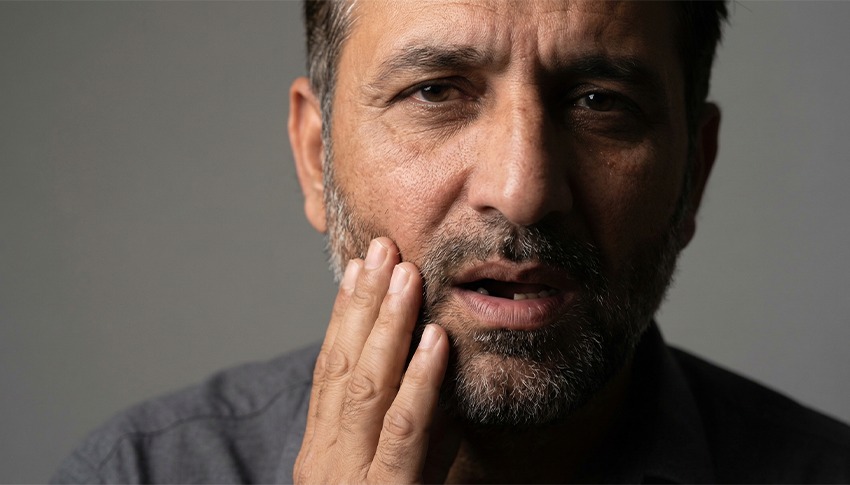
Are you hesitant to get a dental implant? While dental implants are effective and successful for damaged or broken teeth, it’s completely normal to feel a little scared or anxious. As a result, you may delay or avoid getting a dental implant. However, remember, avoiding dental implant treatment may put your dental and overall well-being at risk by putting you on a path to inflammation, severe pain, infection, and even tooth loss.
So, here’s a guide to help you understand what may happen if you don’t get a dental implant instantly to treat your tooth.
What is a Dental Implant?
The threaded, screw-like titanium post that replaces the tooth root in your jawbone is called a dental implant. Your bone and the implant gradually merge to form a solid foundation. Dentists install a crown, or fake tooth, on top of the implant after it is stable. The end product functions, feels, and looks just like a real tooth. Not just that, dental implants can last for many years or perhaps a lifetime if properly maintained.
Consequences of Not Getting Dental Implants
Let’s examine the potential consequences of failing to replace your injured tooth with an implant and the need to act now.
The Spacing Between Teeth Will Not be the Same
Your mouth becomes empty when a tooth is extracted because it is broken or falls out. This might not seem like a huge concern at first, particularly if it’s hidden at the rear. However, since your mouth is made up of several pieces, it may change if one is missing. When there is nothing to maintain the gap, neighboring teeth begin to erupt into it. This implies that teeth may grow crowded or crooked, which may impact your bite and result in other dental issues. Thus, it becomes crucial to get dental implants to ensure there is the same spacing between your teeth.
You Might Have Difficulty Speaking or Chewing
Losing any one of your teeth might cause problems because they all influence how you talk and chew. You may begin to chew more on one side of your mouth, which could cause jaw pain or uneven teeth. The placement of the lost tooth may also affect your pronunciation of some words. Front teeth, for instance, aid in the production of sounds like “s” and “th.” This may eventually impact your speaking confidence. Therefore, getting a dental implant instantly may save you from this difficulty in speaking and chewing food.
Changes in Your Bite
Your bite may become misaligned when your jawbone and teeth change. This may result in problems such as:
- Bruxism, or tooth grinding or clenching
- Headaches or jaw pain
- Too much wear on the other teeth
- Danger of more tooth damage
By replacing the lost tooth root and halting the movement of neighboring teeth, a dental implant helps maintain the stability of your bite.
Loss of Jawbone May Begin
By providing constant stimulation through biting and chewing, your teeth help maintain the strength of your jawbone. Your jaw no longer functions in the same way when a tooth is lost. Bone resorption is the gradual shrinkage of the bone in that region. Your jaw may appear depressed, your face may alter form, and the fit of dentures or other dental procedures may be impacted. Remember, once the bone is gone, you’ll likely need a bone graft before being able to have a dental implant.
Long-Term Expenses May Increase
Although it’s simple to assume that forgoing a dental implant will result in financial savings, this is frequently not the case. Waiting too long to repair a broken tooth might have an impact on nearby teeth and bone, necessitating more involved (and expensive) procedures like bone transplants in the future. Early dental implant placement can help preserve your oral health and prevent the need for additional dental procedures.
Higher Chances of Health Issues
Studies on tooth loss reveal connections to a number of health problems, such as:
- Elevated blood pressure, or hypertension
- Heart attacks can be brought on by coronary artery disease.
- Deterioration of cognition
- Depression
- Carotid artery disease (stroke-causing)
- Diseases of the peripheral arteries, which can cause limb loss
- Cancers of the lung, head, neck, pancreas, esophagus, and other organs
Although these issues are not brought on by tooth loss, they can exacerbate them due to things like dietary changes and chronic inflammation.