
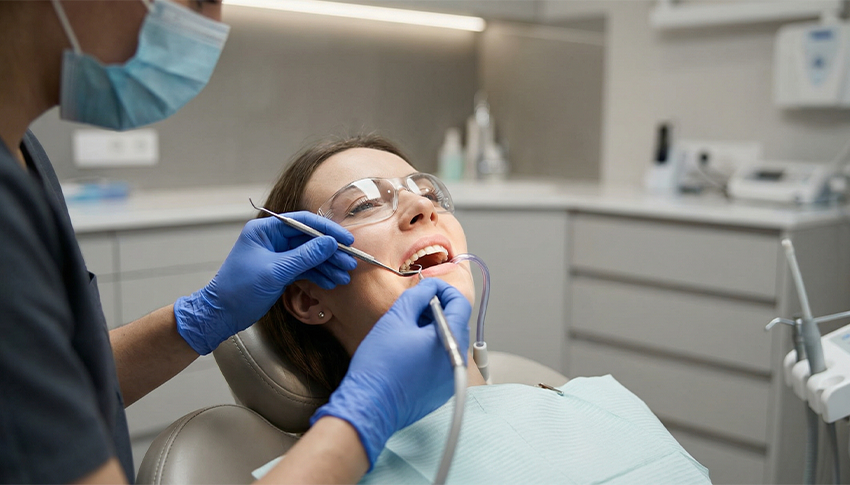
Indeed, a healthy smile is more than just a beautiful facial feature. Instead, it reflects your overall well-being. And even though brushing and flossing are essential for maintaining good dental hygiene, they might not be sufficient on their own to fight tartar and tenacious plaque. This is where professional teeth scaling comes in handy.
In addition to removing dangerous deposits, professional teeth scaling improves oral hygiene, guards against gum disease, and promotes general health. Scaling is a crucial component of your dental care regimen, whether you want to keep your mouth looking great or shield yourself from periodontal illnesses.
Continue reading to learn more about teeth scaling.
What is Teeth Scaling?
While regular brushing and flossing aid in maintaining good dental hygiene, they are insufficient to get rid of tough tartar deposits that build up over time. Thus, plaque and tartar (hardened plaque) are removed from tooth surfaces and under the gum line by the professional dental technique known as teeth scaling. By cleaning the teeth and keeping the gums healthy, teeth scaling improves overall well-being by reducing the risk of many periodontal diseases.
Benefits of Teeth Scaling
Here are some benefits of getting professional teeth scaling.
Prevents Gum Disease
Teeth scaling has the ability to prevent gum disease. Gum irritation brought on by plaque and tartar accumulation can result in gingivitis, which, if ignored, can develop into periodontitis. Scaling keeps gums healthy and stops tooth loss by eliminating these damaging deposits.
Prevents Dental Decay
Tooth decay and cavities are caused by acid-producing bacteria found in plaque. But the good news is that you can lower your chance of getting cavities and shield your enamel from erosion by using scaling to remove plaque.
Lowers the Chance of Systemic Illnesses
Poor oral hygiene has been connected in studies to a number of systemic health problems, such as diabetes, heart disease, and respiratory infections. Untreated gum disease bacteria have the ability to enter the bloodstream and cause inflammation elsewhere in the body. However, frequent teeth scaling lowers the likelihood of these health issues by reducing the bacterial burden.
Cleaner Breath
Bacteria trapped in tartar and plaque deposits are frequently the source of bad breath, or halitosis. By getting rid of harmful bacteria, teeth scaling greatly increases the freshness of your breath. Maintaining a clean and odor-free mouth requires routine scaling sessions.
How Frequently Should Scaling Be Performed?
Every individual’s dental health state will determine how frequently they need professional teeth scaling.
- As part of their routine dental examination, people with healthy gums should plan a scaling appointment every six months.
- To avoid the recurrence of periodontal problems, those with a history of gum disease may need more frequent cleaning, usually every three to four months.
- In order to avoid plaque accumulation around braces or aligners, patients receiving orthodontic treatments should think about scaling more frequently.
What Happens During Teeth Scaling?
Teeth scaling is a simple and effective dental treatment that usually takes 20-30 minutes.
- First Assessment: The dentist will use a dental mirror and probe to examine your teeth and gums.
- The Process of Scaling: The dentist will remove tartar and plaque from both above and below the gum line using either manual scalers or ultrasonic tools.
- Root Planning (if required): In order to promote gum reattachment, the dentist will smooth down any rough spots on the tooth roots if deep cleaning is necessary.
- Polishing and Rinsing: Following scaling, the dentist will rinse your mouth and polish your teeth to get rid of any remaining plaque and surface stains.
- Treatment with fluoride (Optional): It could be advised to apply fluoride to strengthen enamel and stop cavities.
Aftercare
Some people may have gum discomfort or minor sensitivity following the treatment. The following tips will help to guarantee a quick recovery:
- Don’t drink anything hot or cold for a few hours.
- Use a soft-bristle toothbrush twice a day to maintain good oral hygiene.
- To avoid bacterial accumulation, use an antimicrobial mouthwash.
- Observe any further aftercare instructions your dentist may give you.