
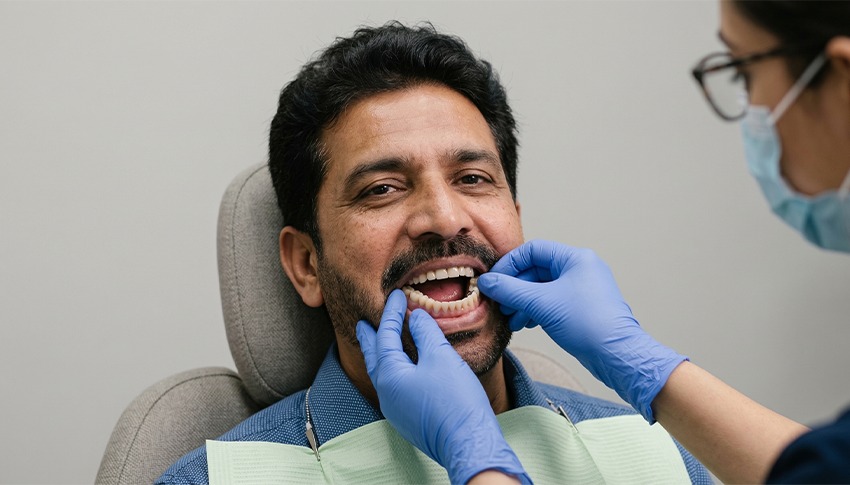
Do you ever have trouble speaking clearly or eating particular foods? Do you frequently experience self-consciousness when speaking and grinning in public? If so, it may be time to get false teeth dentures. This is a kind of prosthetic device used to replace teeth that are lost, broken, or extracted because of decay or illness, sometimes known as a false tooth. They consist of a set of artificial teeth put on top of a foundation made of acrylic or plastic.
However, how can you determine if you need false teeth dentures? Here are some signs you may require dentures.
Loose Teeth
You might need to think about getting false teeth or dentures soon if you find that your teeth are moving or are loose. In addition to being an indication of periodontal disease, loose teeth are a sign of inadequate bone support. Since you can’t see under your gums, you can be unaware of a serious injury. Consult your dentist if you observe any loose teeth, shifting teeth, or widening spaces between your teeth.
Periodontal Diseases
Periodontal diseases, such as periodontitis, can cause tooth loss or loosening, which is one of the main reasons you might need false teeth dentures. This severe gum infection harms soft tissue and has the potential to kill the bone that supports your teeth. The good news is that you can stop periodontal disease from worsening if you take care of any issues as soon as they arise. Frequent dental care, including brushing and flossing, is very beneficial. To receive proper care, consult your dentist or dental hygienist if you observe that your gums are sensitive or bleeding. In certain situations, your dentist might advise extracting your teeth and replacing them with false teeth dentures if your periodontal disease is more severe.
Extreme Tooth Pain
A persistent toothache may indicate that decay has spread to the nerves. A root canal may often save a tooth, but if the decay has progressed beyond repair, you may need to have the tooth extracted and replaced with an implant, or possibly false teeth dentures if more than one tooth is impacted.
Difficulty in Chewing Food
Are you avoiding meals that you used to like? Or maybe you’re having problems biting down or chewing. This might not have happened all at once, but rather more subtly, gradually catching on until it was impossible to ignore. Reducing the variety of foods you eat might decrease the enjoyment of eating healthily and have negative nutritional effects. It impacts more than just your meals when you are unable to chew food correctly; it can affect how you think and remember things as you become older. This may indicate that you need to get false teeth dentures.
Tooth Loss
False teeth dentures may be one of your treatment options if you have already lost a few or many teeth. Your chances of losing the remaining teeth increase with the length of time you spend without acquiring dentures or having the spaces between your teeth filled in with bridges or implants. Your teeth require support from the teeth next to them, and if there is a gap, the healthy teeth will move more quickly and deteriorate. If any of your teeth are missing, consult your dentist.
How to Respond to Symptoms That Indicate the Need for False Teeth Dentures?
The first thing you should do is visit your dentist if you have loose teeth, missing teeth, periodontal disease, or any of the other symptoms that indicate you may need dentures.
Your dentist might suggest one of the following procedures:
- Complete false teeth dentures: You can receive a complete set of dentures to replace your lost teeth if all of your teeth have been extracted and your gums have healed. Although denture glue is not necessary to wear these, it may make them more comfortable and stable, enabling you to smile, speak, and eat with confidence.
- Partial false teeth dentures: Your adjacent teeth provide support for partial dentures, which replace a piece of your missing teeth. Additionally, partial dentures help prevent the natural teeth from loosening and shifting.
- Dental implants: Dental implants are a permanent replacement for lost teeth that are surgically fixed to your jawbone.