
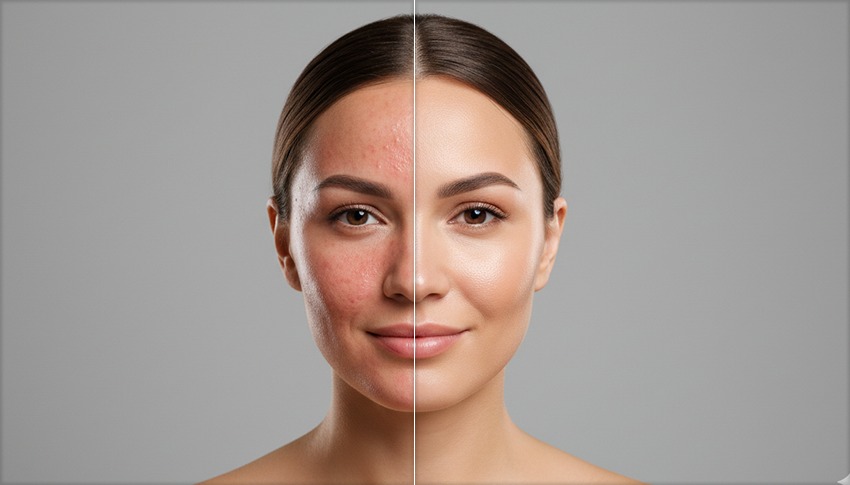
Unfortunately, acne is one of the most common skin conditions in teens and adults. As a result, you may experience visible bumps on your skin, mostly on your chin, cheeks, and forehead. Not just that, but some of these bumps may become painful and red, usually leaving scars as they heal. But don’t worry, we have the perfect solution for you –chemical peels. This non-invasive treatment can minimize acne breakouts and the appearance of scars just after a session.
To learn more about how chemical peels help with acne, read this guide.
What Are Chemical Peels?
Chemical peels are a type of skin care procedure that removes the outermost layer of aging skin using a chemical solution. This procedure is also known as skin resurfacing. Chemical peels help reveal healthier, more youthful layers beneath the skin by exfoliating them. Because it unclogs pores and lessens outbreaks, this is very helpful for people with acne.
There are three types of chemical peels:
- Superficial peels: Alpha hydroxy acids, like glycolic acid, are frequently used in superficial peels, which are the mildest kind. They are perfect for enhancing skin tone and texture with less recovery time because they just penetrate the epidermis.
- Mild peels: Trichloroacetic acid (TCA) is usually used in medium-depth peels at 20% or greater concentrations. They effectively heal pigmentation problems and acne scars by penetrating deeper layers of the skin. However, because of the possibility of pigmentation alterations, they take longer to recover from and aren’t always appropriate for darker skin tones.
- Deep peels: These can treat serious skin problems and employ stronger acids, but they have a lengthy recovery period and certain negative consequences. It is uncommon to treat acne with deep peels.
How Are Chemical Peels Made?
The active elements in a chemical peel are often what determine how effective it is. Here are a few important players:
- Glycolic Acid: An alpha hydroxy acid, glycolic acid is excellent for skin exfoliation and texture enhancement. It is frequently used in superficial peels to unclog clogged pores and eliminate dead skin cells.
- Salicylic Acid: This beta-hydroxy acid works wonders for acne because it is oil-soluble and may enter pores deeply. It helps to clear up pimples by exfoliating and reducing irritation.
- Lactic Acid: Ideal for sensitive skin, lactic acid is well-known for its mild exfoliating and hydrating qualities. It aids in skin surface smoothing and brightness.
Are Chemical Peels Good for Acne?
- Exfoliation: Chemical peels are excellent for removing dead skin cells. They stop dead skin cells from clogging your pores, which is frequently the cause of acne, by eliminating them. By exposing new skin, this procedure lessens the likelihood of developing new outbreaks.
- Oil Control: Excess sebum, or oil, on the skin is the root cause of many acne problems. Chemical peels contain ingredients like salicylic acid that help control the production of oil. These peels can greatly lessen acne flare-ups by controlling oil levels.
- Bacteria Reduction: Oily, congested surroundings are ideal for acne-causing bacteria. Chemical peels break this cycle by unclogging pores and reducing the conditions that encourage the growth of bacteria. In order to reduce inflammation and stop breakouts in the future, this step is essential.
What Happens During Chemical Peels?
- All oils, sunscreen, and makeup will be removed from your skin prior to the chemical peel procedure.
- When the chemical solution is applied to the skin’s surface, it’s common to feel a slight tingling sensation or some heat. The stratum corneum, the skin’s outermost layer, is removed during a peel by applying a chemical solution to the skin’s surface.
- Depending on how strong the peel is, the solution is applied to the skin for a predetermined amount of time. This exfoliating procedure promotes the quick production of new, healthy skin cells.
- Patients report a more radiant complexion and a decrease in acne and acne scars as discolored and dull skin cells are shed. After the treatment, people experience new, fresher, healthier, and smoother skin complexion.
- Your skin type and the severity of your acne will determine how many sessions you need. To observe noticeable changes, most people usually need three to six sessions spaced three to four weeks apart.
Can Cystic Acne Be Treated with Chemical Peels?
A severe eruption that results in redness deep within your skin is called cystic acne. Cystic acne, which can last for years on the skin, is caused by bacteria and dead skin cells that plug a pore and cause inflammation in the affected area. A chemical peel may completely unclog and clear pores, making it a revitalizing therapy for cystic acne.