
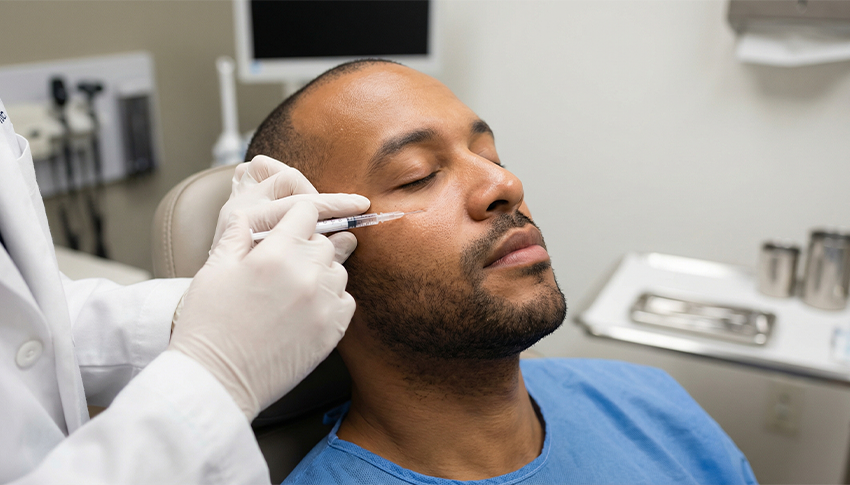
Have you heard about whitening injection? In recent years, whitening injections have emerged as one of the most popular beauty treatments, particularly for skin brightening and general detoxification. However, popularity also brings confusion because scientific evidence is frequently overshadowed by myths, half-truths, and irrational expectations. Although many people are aware that glutathione is frequently used to lighten skin, they may not fully comprehend how it functions, its actual efficacy, or any potential risks. But don’t worry, we’ve got you covered.
Read the following myths and facts about whitening injections.
Myth: Whitening Injections Brighten Skin Immediately
The idea that whitening injections can significantly lighten skin in a matter of days is one of the most pervasive misconceptions. Social media before-and-after photos that oversimplify the procedure are a major source of this false belief. In actuality, glutathione improves cellular detoxification and decreases melanin production over time. Since glutathione is naturally present in the body, injections merely increase its levels rather than causing abrupt changes. Dermatologists stress that depending on the quantity, frequency, and individual metabolism, it may take weeks to months of regular sessions to see noticeable brightening. Results are also influenced by skin tone, lifestyle factors like sun exposure, and general health. Thus, whitening injections cannot brighten skin overnight!
Fact: Glutathione Has Many Benefits
The real strength of glutathione is its antioxidant capacity, despite the fact that it is frequently marketed for skin lightening. Naturally generated in the liver, it boosts immunity, aids in detoxification, and shields the body from oxidative stress. Glutathione can help counteract free radicals that cause tissue damage, dullness, and early aging when administered intravenously. In addition to lighter pigmentation, many users report improved skin texture, increased glow, and decreased inflammation. Its detoxifying properties aid in the removal of toxins and heavy metals, which tangentially results in a more radiant complexion.
Myth: Glutathione Doesn’t Have Any Adverse Effects
Another widespread misperception is that because the body generates glutathione, injections are totally risk-free. Although glutathione is a naturally occurring antioxidant, it is important to exercise caution when injecting any substance straight into the bloodstream. Headaches, stomach discomfort, allergic responses, or injection site irritation are possible side effects, though they are usually mild. When treatments are administered in non-medical settings or when very high doses are used without expert supervision, there are more significant risks. In people with pre-existing conditions, overuse may have an impact on liver or kidney function. For this reason, skilled dermatologists and medical professionals demand adherence to medical guidelines, sterile administration, and appropriate dosage.
Fact: Whitening Injections Can Minimize Inflammation
Whitening injections have a major impact on lowering inflammation throughout the body in addition to improving pigmentation. Redness, eczema triggers, acne flare-ups, and early aging are all associated with chronic inflammation. Glutathione promotes healthier cellular activity and calms inflammatory pathways by neutralizing free radicals. For this reason, even if they didn’t start using glutathione for redness or acne, many people report having clearer, calmer skin. Additionally, the antioxidant effect promotes tissue repair, which indirectly aids in the healing of acne scars and increases the resilience of the skin. It is a supportive treatment that lowers oxidative stress and fortifies the skin barrier, but it is not a treatment for inflammatory diseases.
Myth: Whitening Injections Alone Can Brighten the Skin Tone
Many people erroneously think that their skin will always be lighter after a few sessions. Another myth that requires explanation is this one. The effects of glutathione are intimately related to sun exposure, lifestyle choices, maintenance, and general health. Regular injections can help even out and brighten skin tone, but if the underlying causes of pigmentation are not addressed, the effects are temporary. Melanin production can be restarted by UV radiation, hormonal fluctuations, stress, and diet. Furthermore, glutathione only reduces excessive pigmentation; it does not change your genetic skin tone. Results deteriorate over time without regular skincare and sun protection. Thus, dermatologists frequently advise maintenance procedures or alternative therapies like topical depigmenting agents, chemical peels, and lasers.
Fact: Levels of Glutathione Decrease in the Body with Age
The body’s natural glutathione levels decrease with age, which is a lesser-known but significant truth. Diminished cell repair, dullness, inconsistent skin tone, and heightened vulnerability to environmental exposure are all consequences of this decline. Glutathione is also depleted by stress, sleep deprivation, pollution, and poor food, all of which hasten the onset of aging symptoms. Whitening injections support the body’s capacity to produce healthier skin cells and aid in the restoration of these levels. Because of its antioxidant qualities, glutathione helps adults in their late 20s, early 30s, and early 40s look younger. Additionally, lowering the oxidative stress that degrades collagen fibers contributes to the preservation of collagen structure.