
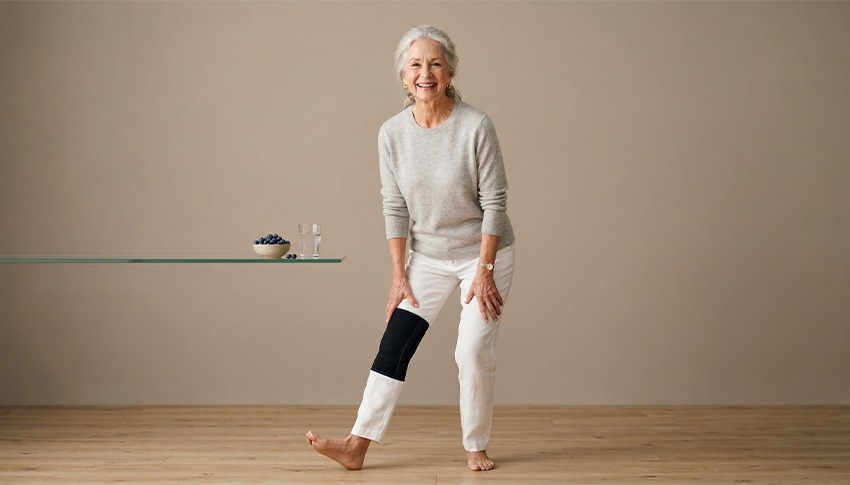
Are you getting knee pain treatment soon? While knee pain treatment can be a long and challenging journey, understanding the normal recovery period can help set reasonable expectations and reduce some of your concerns that come with the process. After all, it can be much easier to handle knee pain treatment if you know what to anticipate during each stage of recovery, regardless of whether it’s for an injury, arthritis, or a degenerative condition.
Thus, we’ve outlined a recovery guide to help you navigate the journey smoothly.
Adhere to the Instructions Given After Treatment
Your doctor will provide you with a set of post-treatment instructions specific to your procedure and condition. These rules are your road map to a quick recovery, so you should not ignore them.
- Activity Restrictions: Depending on the kind of treatment you are receiving, you might not be allowed to participate in particular activities. These restrictions are meant to protect the treated area from damage or stress. To avoid problems, strictly follow them.
- Wound Care: If your treatment involved any incisions or wounds, your knee pain specialist will give you instructions on how to properly care for them. This may include cleaning, dressing changes, and monitoring signs of infection.
- Medication Instructions: If your doctor prescribes painkillers or any other medications, it’s important to follow the recommended dosage and schedule. Painkillers can help manage discomfort in the early stages of recovery, but they need to be used with caution.
Restrict Activity and Prioritize Rest
In the early phases of healing, rest is your body’s best friend. It’s crucial to take it easy and refrain from demanding activities right after receiving knee pain treatment in order to give your knee the best chance of healing. Here’s how to properly balance rest and minimal activity:
- Total Rest: Total rest is frequently advised in the first 24 to 48 hours following knee pain treatment. This includes avoiding activities that could put strain on your treated knee and avoiding being on your feet as much as possible.
- Gentle Movement: Avoiding extended immobility is just as important as rest. Stiffness and blood clots can be avoided by mild motions like flexing and extending your ankle or toes. For detailed advice, speak with your knee pain specialist.
- Avoid Weight-Bearing: Follow your doctor’s instructions to the letter if your treatment included a procedure that limits your ability to bear weight on the treated leg. To protect the treated knee, crutches, a brace, or other assistance equipment could be needed.
Effectively Control Pain and Swelling
It’s normal to feel some discomfort and swelling following knee pain treatment. Taking good care of these symptoms might help you feel much more comfortable and heal more quickly after knee pain treatment. Here’s how to accomplish it successfully:
- Pain Medication: Take your painkillers exactly as suggested by your doctor. In order to relieve acute post-procedure pain, these drugs are usually provided for a brief period of time. Following the recommended dosage will help you properly manage discomfort.
- Elevate Your Leg: One simple yet incredibly powerful method of reducing edema is to elevate your leg while you’re at rest. While sitting or lying down, support your leg using pillows or cushions. This elevation lessens the accumulation of fluid in the afflicted location.
- Compression: In certain situations, your knee pain physician could advise applying bandages or compression stockings to further reduce swelling. Make sure you know how to apply compression properly because using it incorrectly can have negative consequences.
- Ice Packs: Post-knee pain and edema can be decreased by applying ice packs to the treated region. Apply the ice pack to the afflicted area for 15 minutes at a time, wrapping it in a clean cloth.
Keep Your Diet Rich in Nutrients
An important factor in the healing process is diet. Foods high in nutrients promote tissue healing, lower inflammation, and speed up the healing process. Muscle strength and tissue repair depend on protein. Consume foods high in lean protein, such as tofu, beans, fish, and chicken. Make sure your vitamin and mineral intake is balanced. For bone health and tissue healing, calcium, vitamin D, and vitamin C are especially crucial. Drink lots of water throughout the day because staying hydrated is also very important for effective healing after knee pain treatment.