
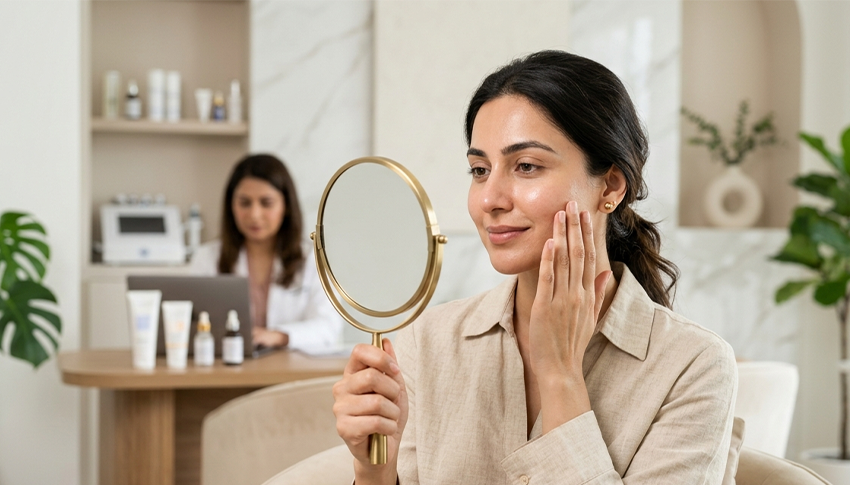
Platelet-Rich Plasma or PRP treatment has become widely used therapy for improving the quality of skin and promoting collagen production to help with fine lines, acne scarring, and uneven texture. While many patients focus on the procedure itself, the time in between PRP treatments is just as important for the best possible results. Your skin continues to react long after you go home from the clinic, and the alterations happen gradually, not overnight. Being aware of what your skin is doing between scheduled visits can help you manage your expectations and take care of your skin.
Thus, if you’re getting a series of PRP treatments, read this guide to find out what to expect between PRP sessions and how your skin will progress throughout the process.
The Skin’s Healing Process Begins
Right after your PRP therapy, your skin starts it’s natural healing process. Platelet-rich plasma (PRP) is your own blood that has been processed to provide growth factors that promote tissue repair and regeneration. Moderate redness, mild swelling or tenderness are all part of the normal process during the first few days, especially if PRP has been paired with microneedling. These effects will often lessen as your skin adjusts. But there’s a lot more happening beneath the surface. The growth factors produced from platelets start to interact with the skin cells and stimulate them to repair and renew. You probably won’t notice any obvious changes right away, but this initial healing phase is setting the stage for the slow changes that will be more obvious in the weeks to come.
Collagen Production Starts to Boost
One of the main reasons why PRP is used for rejuvenating the face is its potential to support collagen production. Collagen is a vital protein that contributes to maintaining the skin’s firmness, elasticity and smooth appearance. Your body doesn’t immediately produce large amounts of collagen following treatment. Instead, collagen transformation occurs slowly over several weeks. In this time the skin slowly builds strength and more structure just beneath the surface. This is why most people experience changes slowly, not immediately after the treatment. Fine lines can begin to appear softer, skin texture appears smoother and general skin quality often begins to improve. In fact, many patients get PRP treatment for to boost collagen and improve the overall condition of their skin.
You Can See Small Improvements
In the following weeks, many patients start to see small changes in their skin. These improvements are usually incremental, not all at once. Depending on your specific skin concerns, you could see a brighter look, better texture, more hydration or a more youthful appearance. If you are using PRP for acne scars, pigmentation or uneven skin tone, you may not see the changes right away as these conditions often need multiple sessions for treatment. Results also vary from person to person based on age, skin condition, lifestyle and general health. Sometimes, it can be easier to see these gradual changes than in the mirror, by comparing your skin to pictures taken prior to treatment.
Regular Skincare Encourages
The time between PRP treatments is perfect for supporting your skin with a solid skincare routine. Simple cleansing, frequent moisturizing and daily broad-spectrum sunscreen help to protect the skin as it proceeds with its natural repair process. Sun exposure can cause discoloration changes and early skin ageing, so sun protection is really essential during your treatment plan. Depending on your skin type and treatment goals, your dermatologist might also suggest specific skincare products. It can be tempting to try a whole bunch of new products all at once, but unless your doctor or dermatologist says otherwise, it’s generally best to keep your routine simple. Healthy lifestyle habits such as hydration, a balanced diet, and sufficient sleep also support overall skin health throughout this stage.
A lot of the work of the treatment happens below the outer layer of the skin between PRP sessions. You might observe gradual changes in texture, tone and overall skin quality, but your body continues to generate collagen and promoting natural tissue repair in the weeks after each appointment. And it’s vital to keep up with a good skin care routine, sun protection, and regular follow up visits to get the best treatment results.