
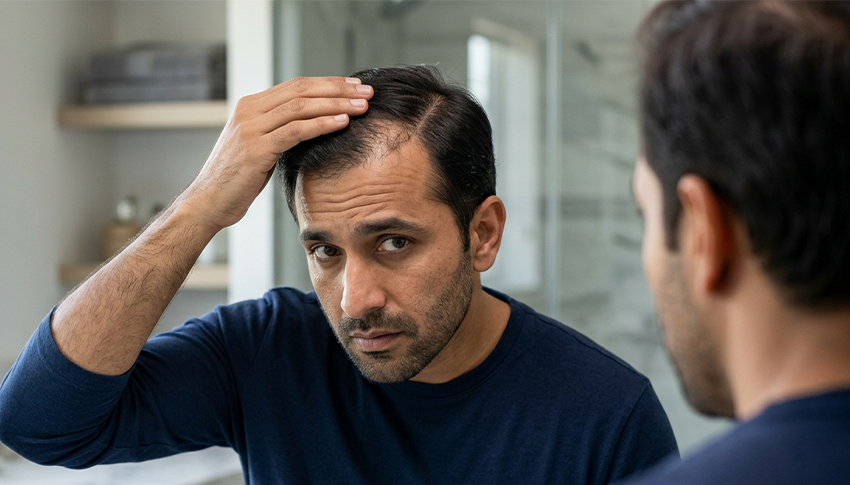
Platelet-Rich Plasma (PRP) therapy has become a popular non-surgical treatment for people experiencing hair thinning and early hair loss. By using platelets from your own blood, PRP aims to stimulate hair follicles and support healthier hair growth. Many patients may see improvement over time, but the treatment doesn’t work in the same way for everyone. Hair growth is a gradual process, and it takes several months for noticeable changes to occur. However, there are situations where PRP may not be delivering the expected outcome. Knowing the signs of an ineffective treatment can help you identify potential issues early and discuss alternative strategies with your healthcare provider.
Read this guide to learn more about indications that your hair PRP treatment is not working.
Not Seeing Any Improvement After Several Months
One of the biggest signs that hair PRP may not be effective is the absence of noticeable improvement after completing the recommended course of treatment. Hair grows in cycles and results are not immediate. It takes several sessions before patients see any changes and they are typically more apparent in the months that follow. If, however, you have had several treatments and there has been no difference in the density, thickness or overall look of your hair, it may be time to re-evaluate your progress. Photographs throughout and afterwards can help see minute changes that might not be noticed from one day to the next. If there is still little or no change after several months, your practitioner may recommend reviewing your diagnosis or considering other treatment options.
Hair Shedding Hasn’t Stopped
Some temporary shedding can occur during the early stages of hair restoration treatments, but persistent or worsening hair loss over an extended period may indicate that PRP isn’t producing the desired effect. If you’re still seeing a lot of hair in the shower, on your pillow, or in a brush even after a few months of the treatment, it’s time to discuss this problem with the practitioner. Ongoing shedding doesn’t always mean the treatment has failed, as other factors such as hormonal changes, nutritional deficiencies, stress, or medical conditions can also contribute to hair loss. A professional evaluation may help identify if your treatment is the right one or if there is another factor that must be treated to see improvement.
Your Hair Still Feels Thin and Weak
The goal of hair PRP is not only to encourage new growth but also to improve the quality and thickness of existing hair. If you have gone through several sessions and your hair still looks flat, thin or brittle, it could mean that your follicles are not being stimulated as they should. Some people may notice that the new hair is very small, with little, if any, change in density whereas some may see no change at all. The result will vary from person to person, depending on factors like age, hair loss stage, genetics and the health of the hair follicles prior to treatment. However, PRP is typically most effective when used early in the hair loss process and may be beneficial with other treatments in select individuals with advanced hair loss.
Your Hairline or Bald Areas Continue to Worsen
While hair PRP is designed to slow down the process and promote healthier hair growth, it is not guaranteed to prevent all forms of hair loss. However, if your hairline keeps going back or if bald spots get more noticeable after the recommended treatment period, the treatment might not be working. As hair loss continues over time, it may be a sign of a progressive condition that is damaging hair follicles faster than PRP can help. Certain types of hair loss respond better to PRP than others, and some patients may benefit from combining PRP with medications, lifestyle changes, or other hair restoration procedures. A follow-up evaluation is used to see if changes in treatment are necessary.
Your Results Last Less Than Expected Period
After the initial sessions, some patients experience a slight improvement. But what if that improvement slows down? Although hair PRP treatments can result in progressive improvement, a plateau following an initial improvement can signal that the treatment is not offering further benefit. This does not mean that the first set of results will go away, but could indicate that a maintenance session, combination therapy, or additional evaluation is needed. Several factors can affect hair restoration such as nutrition, stress, hormonal balance, scalp health, and hereditary factors. These factors should be discussed with your dermatologist to determine if there is a reason other than the PRP treatment to expect poor results, and if another treatment would be more suitable.