
Typically, whitening injections are administered in a series of treatments, not as a single procedure. It’s worth noting that the interval between sessions is an essential component of the overall process. Patients often ask whether their skin will continue to change after a whitening injection, how soon they can expect to see improvement, what to do between regular visits, and when to plan their next appointment.
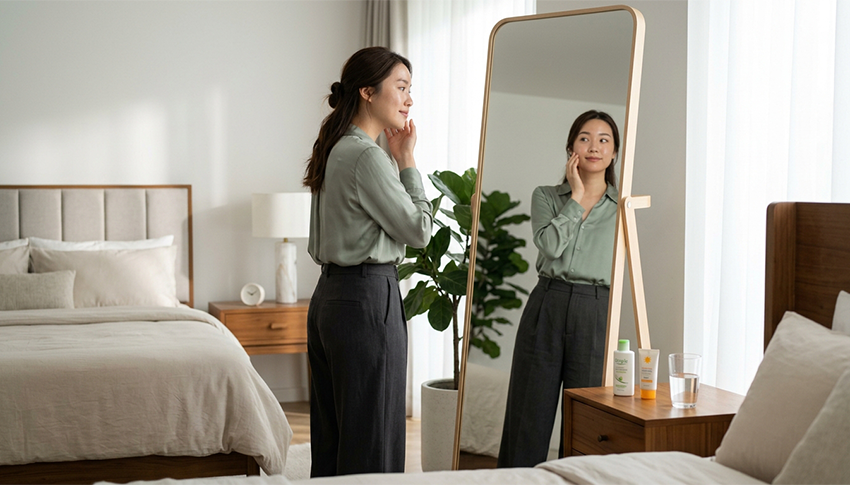
Remember, skin doesn’t just “pause” between treatments. The look may change slowly over time as you progress through your treatment plan. Things like sun exposure, skincare habits, water intake and lifestyle can also impact the look of your complexion. Between appointments, complying with your skin specialists advice will help to support an even, brighter-looking skin tone and enable a proper assessment of your progress.
Read this guide to learn more about what may happen to your skin between the sessions.
Skin Changes Continuously
You shouldn’t expect to see the full visible effects of a whitening injection after just one appointment. Your skin can change over time as you proceed through your prescribed treatment plan. Some patients might observe an overall increase in brightness early on, whereas others may notice more dramatic changes after multiple sessions. The results you see will depend on your skin’s starting point, your concerns with pigmentation, your lifestyle and the treatment plan your specialist recommends. This is why it helps to look at your skin for a long period of time, rather than assessing the outcome based on how it looks right after one session. Allowing your skin to respond also lets you see gradual changes that may not be apparent from one day to the following. Your dermatologist may track these changes in follow-up appointments to see if your treatment is going as planned.
Complexion Begins to Look Brighter
Many patients opt for whitening injections specifically because they want a more even tone and brighter skin. But none of this necessarily occurs overnight. Over the course of your sessions, you may start to see your complexion looking more radiant, fresher or more even. The changes may be minor at first, but will become more apparent as your treatment progresses.
Moreover, keep in mind that skin varies naturally from day to day. Factors such as fatigue, dehydration, prolonged sun exposure or a shift in your skincare routine can all affect the way your complexion looks, at least for a short time. Don’t expect drastic changes after every appointment but rather look for the overall improvement that occurs over the course of your treatment.
Sun Protection Becomes Crucial
What you do between scheduled visits can affect the appearance of your skin. Sunburn and hyperpigmentation Overexposure to UV is one of the main factors that cause tanning and can make pigmentation more visible, so it’s important to protect your skin from the sun if you want to keep your complexion brighter.
You can help safeguard your skin as you go through treatment by applying a broad-spectrum sunscreen each morning. It is also important to reapply sunscreen if you are outside for long periods. You can also help your skin by wearing protective clothing, by staying in the shade and by avoiding excessive sun exposure. Your whitening treatment is part of a skincare regimen, so taking care of your skin in between treatments will help keep up the progress that you are working toward.
Skin Requires More Hydration
Another easy habit that can help improve the overall appearance of your skin is to keep your body properly hydrated. Dehydrated skin can appear dull, tired or less radiant making it more difficult to enjoy any changes in complexion. Be sure to drink water throughout the day, particularly if you’re outside or on the move. Hydration should be incorporated into a regular skincare routine and not a substitute for it. Your general lifestyle may also impact the appearance of your skin. Getting a radiant complexion is possible if you get enough rest, eat a varied diet, manage stress and practice good daily habits. These habits won’t replace professional treatments, but they can help support the look of your skin while you are in treatment.