
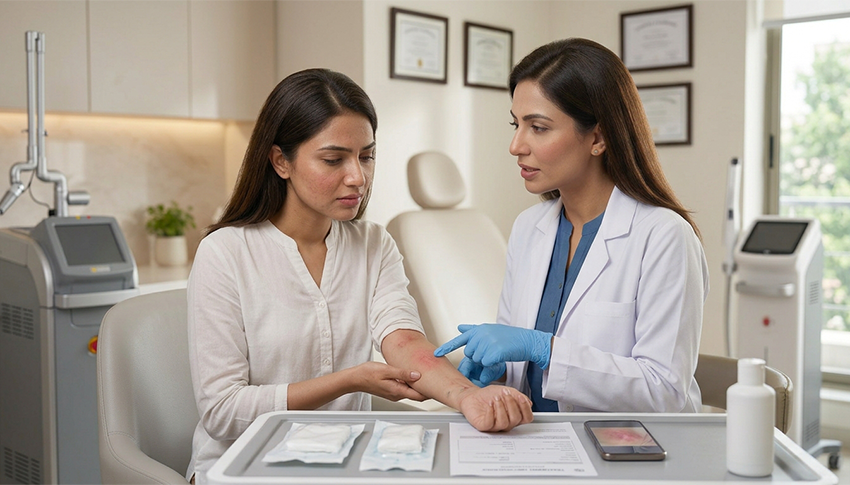
These days, a lot of people opt for whitening injections to try and get a brighter and more even-looking skin tone. But as with any injectable treatment, the experience shouldn’t end when you leave the facility. Knowing what to anticipate after the treatment and knowing when something doesn’t feel right is a key component of responsible treatment.
Mild and short-lived reactions may happen after an injection, but not all reactions should be ignored as just part of the process. What happens next can depend on where you had the injection, the treatment, your personal health and how your body reacts. Remember, the trick is to know what’s a normal, temporary reaction and what’s a red flag that needs professional help.
Read this guide to understand common whitening injections red flags you should never ignore.
Severe Pain at the Treated Site
It is common to have some tenderness around especially right after treatment. However, if the pain is severe, or keeps getting worse, or is hard to tolerate, it should not be dismissed. Watch how the area changes in the next few hours after treatment. Mild discomfort that eventually goes away is not the same as pain that keeps getting worse.
If the area becomes very painful, or if the discomfort is followed by noticeable swelling, redness, temperature, or other unusual alterations, contact your dermatologist and tell them what you are experiencing. Don’t keep touching, rubbing, or massaging the area trying to make the discomfort go away. Your doctor can help you figure out whether what you’re encountering is normal and what the next steps are.
Increasing Swelling or Redness
You may have some slight redness the injection site. If there is a lot of swelling or redness that is getting worse, spreading or associated with increasing discomfort, this needs attention. Note the time the reaction started and if it is getting better or worse. This info may be useful when talking to your clinic. And just because someone reacts more dramatically doesn’t mean they’re being treated better. More redness or swelling does not equate to a better result.
If you notice that your skin is becoming more inflamed or you are concerned about the reaction, call the professional who performed the treatment. They will be able to look at the situation and decide if you need an examination.
Unusual Changes to Skin
A whitening injection can change your skin’s appearance temporarily seriously. Thus, look for big changes in color, odd blistering, very bad swelling, or places that become more and more painful or tender. These are not symptoms you want to hide with makeup or treat with randomly chosen skincare products. If necessary, take a photograph and reach out to your clinic for advice. Your dermatologist may need to look into the area to determine the cause of the change. Keep a copy of your treatment details as well as any aftercare instructions you are given by the clinic, so that you can consult them if a concern develops.
Widespread Signs
Some symptoms require immediate medical attention and until a normal response from the clinic. Get emergency medical help right away if you have trouble breathing, swelling of the facial area, lips, tongue or throat, hives all over the body, faint, severe dizziness or any other serious symptoms after an injection. Such symptoms may be indicative of a serious reaction that would require rapid assessment.
Don’t try to treat what could be a serious symptom at home or wait until your next planned appointment. If you are having an emergency call your local emergency medical services or go to the nearest emergency room. If you have had an injection recently, inform your dermatologist and provide them with the details of the treatment if you have them.
Feeling Unwell
Feeling generally sick after an injectable treatment shouldn’t be automatically put down to the procedure. Contact your doctor if you experience a fever or feel very unwell after treatment, especially if you also notice increasing redness, swelling, pain or a different local reaction. Your signs may not be related to the injection, but you should not assume that for yourself.
Describe when you got the treatment, what you got if you know, when the symptoms started and if they have been progressing better or worse. This information can help a health professional decide how you should be assessed.