
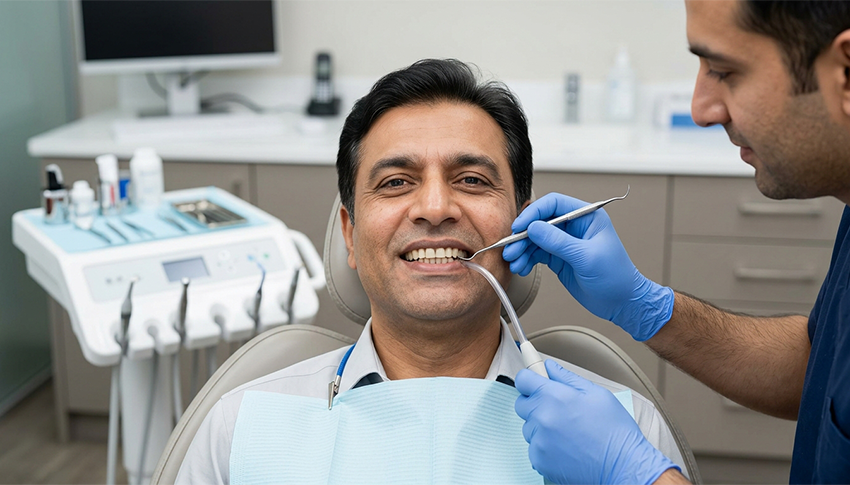
Thirty minutes may not seem long enough to make an actual difference to your smile. You could be scrolling on Instagram, catching up on an episode of your favorite television series or preparing for your day. But can sitting in the dentist’s chair for 30 minutes truly enhance the overall health of your teeth?
Professional dental cleaning gets little attention because it does not seem as appealing as teeth whitening, veneers and other cosmetic procedures. A lot of people think that brushing teeth twice a day and having teeth that look reasonably clean is enough to not see a need to make an appointment.
But your toothbrush may not be able to clear everything that accumulates on your teeth over time. A professional cleaning can help remove deposits left by regular brushing and may help to make your teeth feel better and your smile look better.
Read this guide to learn more about dental cleanings.
What Happens During Dental Cleanings?
A professional dental cleaning goes beyond just the brushing process. The dentist will typically start by checking your teeth and gums to see which areas are piled up with tartar and plaque. Plaque is a sticky film of bacteria that constantly forms on your teeth. It can harden into tartar which can’t be removed using regular brushing, if it is not removed properly.
These deposits will be removed using a special instrument during the cleaning process, especially around the gum line and in hard-to-reach areas. Depending on your needs, the appointment may also include polishing, which will help to remove some surface stains and make your teeth smoother. The process is relatively straightforward, but the amount of cleaning required varies from person to person.
Can 30 Minutes Really Be Enough?
The time needed for a routine cleaning depends on the extent of tartar buildup and the condition of the teeth and gums, but it typically takes about 30 minutes for a person with fairly healthy teeth and limited tartar. But not all cleaning services will be able to, or should be done, in that time.
Your dentist may need to schedule a longer appointment or extra treatment if you have a lot of tartar, gums that are red and swollen, or gum disease. Some patients may need more extensive cleaning underneath the gum line, which differs from a regular cleaning and may require more than one visit. Remember, the goal should never be to finish as quickly as possible; it should be to do what your teeth and gums really require.
Will Your Teeth Look Different After Cleaning?
The first thing people notice after professional dental cleaning is that their teeth feel smoother. You may also notice an improvement in their appearance, particularly if you had visible plaque, tartar, or surface stains. Over time, tea, coffee or tobacco can cause discoloration. Some of these external stains can be removed by a professional polishing, and it can make teeth look cleaner and sometimes brighter.
However, dental cleaning does not change the natural color of your teeth. Cleaning alone might not give you the whitening results you want if you have naturally yellow teeth or teeth that are more deeply stained. This is a significant difference as the purpose of cleaning is different from teeth whitening.
Why Isn’t Brushing Twice a Day Enough?
Brushing with toothpaste containing fluoride at least twice a day is one of the best habits for healthy teeth. However, even people who brush regularly may miss certain areas. Plaque can collect between teeth, along the gumline, and around dental work. It may harden into tartar if left in place for a long time. Once tartar forms, it needs to be removed professionally. Daily flossing or another suitable method of cleaning between your teeth can help prevent buildup in areas your toothbrush cannot easily reach.
Can Dental Cleaning Help with Bad Breath?
Bad breath can be embarrassing especially when it does not go away after a brushing, mouth washing or a chew. One possible cause is the accumulation of plaque and tartar around your teeth and gums. Bacteria in these deposits can cause bad smells, especially when there is gum inflammation. If the bad breath is caused by buildup, professional cleaning could help. But not all bad breath is due to dirty teeth. Other health issues can also play a role, such as tongue coating, dry mouth, and gum disease. If you have bad breath that doesn’t go away after brushing, visit a professional dentist in Karachi. An experienced and skilled dentist may be able to help determine the cause and develop a more suitable oral health plan for your teeth.