
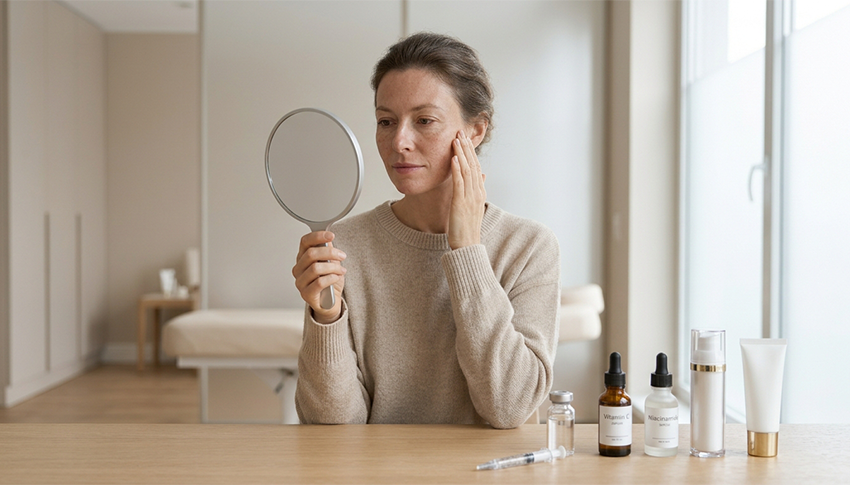
Getting a bright, even-looking complexion often requires more than just the right serum or a professional facial. With the development of skin care products, dermatological treatments and skin whitening injections, there are more than ever choices available for people who want to improve their complexion.
But more choices don’t make choosing any easier. You might be battling persistent pigmentation, uneven skin tone, dullness or just searching for ways to keep a healthier-looking complexion. Before you invest in another skincare product or try skin whitening injections, there are certain things worth getting right. Understanding what your skin needs will help you make better choices and build a regimen that truly makes sense.
Read this guide to learn more.
Understand What You’re Trying to Brighten
The first thing that needs to be addressed is what you want to work on. Dullness, dehydration, tanning, and hyperpigmentation can all affect how your complexion looks, but they don’t have the same causes. For instance, dehydration can cause dullness and loss of luster from your skin, while hyperpigmentation will leave darker patches that are not easily removed even with the right moisturizing routine.
This difference is important for selection of treatments. A moisturizing face mask can help with temporary dryness, while the vitamins C, niacinamide and azelaic acid can target some pigmentation issues. Likewise, those interested in skin whitening injections should be aware of what they are aiming for: brightening the whole body or targeting specific areas to address discoloration. Therefore, if you know the difference, you won’t be tempted to opt for a treatment because it promises a brighter complexion.
Learn About the Treatments You’re Considering
Skincare products aren’t the only options available for improving your complexion. Depending on your dermatological issues, professional treatments may be considered also. Chemical peels, laser treatment and facials all focus on different areas of the skin’s appearance. Chemical peels can benefit some forms of superficial pigmentations and texture irregularities while laser can help address specific types of pigmentation concerns based on the laser technology. Another treatment that is often mentioned in cosmetic skincare is skin whitening injections. An antioxidant that the body produces naturally, glutathione is also linked to cosmetic skin-lightening treatments.
Don’t Add Too Many Brightening Ingredients in Your Routine
When you’re trying to improve your complexion, adding several brightening products can seem like a good idea. Consider using a vitamin C in the morning, exfoliating acids at night and a retinol product on weekdays. However, using too many active ingredients can irritate your skin and compromise its protective barrier. Instead, keep your routine relatively simple. Select products which focus on your primary concerns and add new ingredients slowly.
A practical routine can include:
Vitamin C: Enhances skin texture, antioxidant properties.
Niacinamide: Helps maintain a healthy skin barrier and help fade the appearance of some dark spots.
Hyaluronic acid: improves moisture absorption, hydrating the skin.
Azelaic acid: beneficial for some pigmentation and acne-related pigmentation marks.
Don’t Compromise on Sunscreen
You can invest in expensive serums and professional treatments, but overlooking sun protection can make maintaining an even complexion difficult. UV exposure leads to tanning, pigmentation and premature skin ageing. It may also accentuate current dark spots. This is especially so if you already have an uneven skin tone.
Use a sunscreen with broad spectrum coverage and use it on exposed skin in the morning, as indicated by an SPF of at least 30. Reapply, when necessary, especially when spending extended periods outdoors. If pigmentation is one of your main concerns, tinted sunscreens containing iron oxides may also provide additional protection against visible light. However, sun protection measures need to be continued even when using brightening products, undergoing chemical peels, or even opting for skin whitening injections.
Give Your Skin Time Between Different Treatments
Another important part of skin brightening is understanding that more treatments don’t automatically mean better results. Chemical peels, laser treatments, exfoliation and other cosmetic treatments, when performed without a proper sequence, can aggravate the skin. Your skin requires recovery after undergoing a procedure that has impacted its upper or lower layers. For instance, if you’re planning a chemical peel, your provider may recommend temporarily adjusting certain skincare ingredients.
Likewise, if you are thinking of skin whitening injections with other cosmetic treatments, speak to your healthcare provider about the entire treatment plan instead of booking multiple treatments. With proper spacing, you can gauge the effect your skin has on every treatment.