
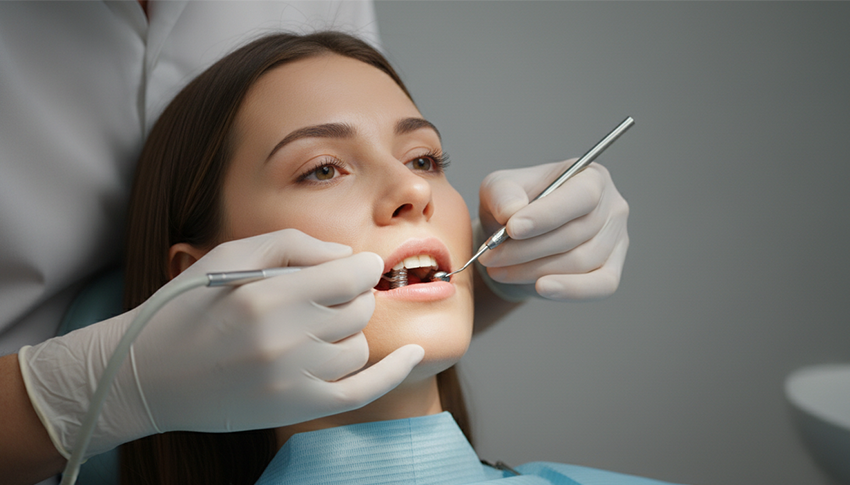
Undeniably, losing one or more teeth can have a negative impact on your physical and emotional health. Missing teeth can have a major influence on your dental health and self-esteem, regardless of whether they are the result of decay, trauma, or disease. But don’t worry, you’re not alone, and we’re here to help. We have the perfect solution for you: dental implants! This dental procedure is performed to replace missing teeth by adding implants, which are small threaded posts.
If you’re unsure whether dental implants are right for you, continue reading.
Signs You Need Dental Implants
Here are some signs you need dental implants.
Missing Teeth
Do you have missing teeth? If yes, it may affect your dental health and appearance. The jawbone in that region may begin to deteriorate when a tooth is lost, leading to a variety of problems, including shifting teeth, altered biting patterns, and even more tooth loss. This is why dental implants can be useful. Because dental implants work similarly to real teeth, they provide a great way to stop bone loss and maintain the integrity of your jawbone. Dental implants provide a solid, long-lasting base for a new tooth after being surgically placed into the mandible. In contrast to dentures or bridges, implants offer a durable option that, with the right maintenance, can last a lifetime.
Your Dentures Aren’t Comfortable
Dental implants may be the best solution if you currently wear dentures or have a dental bridge and find them uncomfortable. Many patients find their dentures uncomfortable because they don’t fit well, slip when they eat or talk, or even irritate their gums. In a similar way, bridges can occasionally seem strange and necessitate the modification of neighboring healthy teeth. The good news is that these issues can be resolved via dental implants. Implants offer unparalleled stability and comfort since they are firmly fixed to the jawbone. You won’t have to be concerned about them moving around or irritating your gums. Additionally, implants retain your entire dental system because they are not dependent on the neighboring teeth for support like bridges are.
You Are Worried About Your Jawbone Loss
Did you know that when you lose teeth, your jawbone starts to shrink? Because the bone no longer receives the required stimulation from the missing tooth root, a process known as bone resorption begins to take place. This can eventually cause facial structure changes, a weakening of the jaw, and the dreaded “sunken” appearance that is frequently connected to long-term denture wearers. But don’t worry, because dental implants can take care of this! The jawbone will be stimulated and encouraged to maintain its solidity by the implant, which works similarly to a natural tooth root. Dental implants can improve your appearance and restore the structural integrity of your jaw if you’ve noticed changes in the contour of your face as a result of missing teeth.
Your Gums Are Healthy
While many people find dental implants to be a terrific option, there are some factors that may impact your suitability. The density of your jawbone and the condition of your gums are two of the most crucial elements. For implants to be successful, the bone mass supporting the titanium post must be sufficient. Before the implants can be inserted, you may require a bone grafting treatment if you have suffered considerable bone loss. Thus, if you have healthy gums and adequate jawbone density, getting dental implants may be a great choice for you.
You Want a Lasting Treatment
Dental implants are a long-term investment in your dental health, not just a cosmetic fix. With proper care, implants can last a lifetime, unlike dentures or bridges that may need to be replaced every few years. Thus, dental implants are a desirable choice for people seeking a long-lasting, low-maintenance remedy for tooth loss. They are also easy to maintain. You just need to brush and floss your teeth and see your dentist on a regular basis to keep the implants in optimal condition. Dental implants can be the best option for you if you’re searching for a long-term fix that restores confidence, function, and appearance.
The Procedure of Dental Implants
- During the consultation and evaluation, your dentist will take X-rays, assess your oral health, and decide whether you have enough jawbone to support an implant. Otherwise, a bone graft might be suggested.
- The titanium implant post will be surgically inserted into the mandible when you’re ready. Through a process known as osseointegration, the post will merge with the bone over the course of the following several months, creating a solid base for the replacement tooth.
- A tiny connecting component known as an abutment will be positioned on top of the implant once it has fused with the jawbone. The crown, or new tooth, will eventually be held in place by this.
- Lastly, the abutment will be fitted with a custom-made crown that is shaped and colored to resemble your natural teeth. Your replacement tooth will feel, look, and work just like a natural one after this process is finished.