
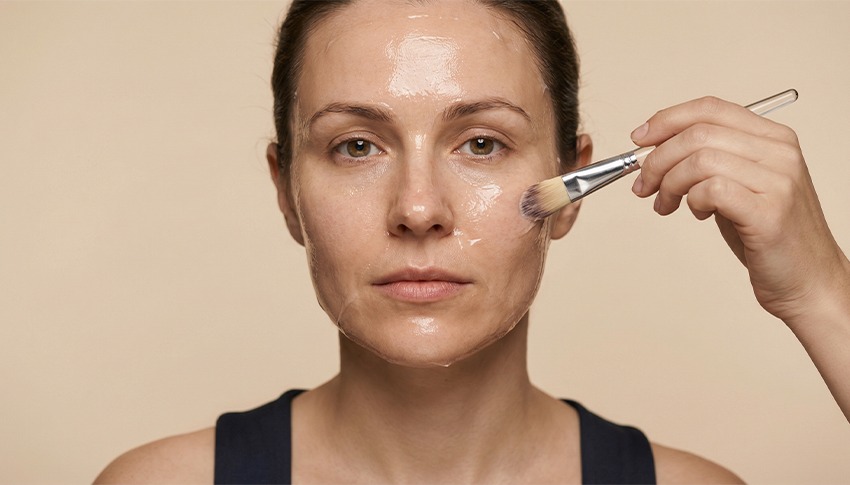
Did you know that your skin replaces itself after 28 days? However, sometimes, our skin may need assistance and help shedding the old skin cells to make room for new ones. And for that, chemical peels can be a great choice. Chemical peels can speed up this natural process and produce smoother, more radiant skin from the inside out! But you may be wondering, ‘Are chemical peels actually important or just a hassle?’ Read this guide to find out.
What Are Chemical Peels?
Skin peels, sometimes referred to as chemical peels, are expert skincare procedures in which dead skin cells are exfoliated and removed from the skin using a chemical solution. The underlying skin appears smoother and younger as a result of this process, which promotes cell turnover. The strength of the peel will determine whether it targets surface problems or deeper layers for more complex skin disorders.
Are There Different Types of Chemical Peels?
Yes, there are several types of chemical peels.
Superficial Chemical Peels
Only the outermost layer of skin will be removed by a mild peel, which will instantly brighten the complexion. In addition, there is little to no recovery time. Fruit acid peels are good examples because they exfoliate and invigorate the skin from the inside out instead of burning through the epidermis.
Depth: Skin’s outermost layer, or epidermis.
Components: Usually includes beta hydroxy acids (BHAs) like salicylic acid or alpha hydroxy acids (AHAs) like glycolic acid.
Recovery: Very little downtime; you might get some peeling and redness, but these side effects usually go away fast.
Perfect For: Sun damage, mild pigmentation, mild skin texture problems, and general skin rejuvenation.
Medium Peel
A medium peel is more effective in addressing issues like dark spots, acne scars, and wrinkles. These could involve applying special products at home over the course of the following month. Although there shouldn’t be any side effects, patients can anticipate skin redness for up to a week following the peel.
Perfect For: Moderate skin conditions such as deeper wrinkles, uneven skin tone, acne scars, and more severe sun damage.
Recuperation: 3–7 days of rest, along with possible swelling, peeling, and redness.
Depth: Reaching the epidermis and a portion of the dermis
Ingredients: Usually includes larger amounts of glycolic acid or trichloroacetic acid (TCA).
Deep Chemical Peel
In order to replace damaged and aging skin cells with healthier-looking skin, a deep chemical peel extensively penetrates the layers of the skin. The skin may seem red, and after two to three days, some peeling will begin. This may last for up to 10 days following a deep peel. In order to give it enough time to operate and finish the peeling, it is crucial to schedule this procedure well in advance of any significant events.
Depth: A deeper penetration of the dermis.
Perfect For: Severe skin issues like severe sun exposure, deep wrinkles, and large scarring.
Recovery: More severe peeling, redness, and maybe edema, along with a longer recovery period (up to two weeks or longer).
Ingredients: Frequently contains significant levels of TCA or phenol.
Benefits of Chemical Peels
Eliminating wrinkles and fine lines: Chemical peels can lessen the visibility of wrinkles and fine lines by promoting the development of collagen and elastin. The skin may appear smoother and younger as a result.
Minimizes pores: By eliminating the debris and dead skin cells that cause pore enlargement, regular use of chemical peels can help minimize the size of enlarged pores.
Improves skin texture: By lowering roughness and enhancing overall skin appearance, chemical peels can improve skin texture and promote a smoother, softer exterior.
Decreases excessive discoloration: Because chemical peels encourage the loss of pigmented skin layers, they can successfully address conditions including age spots, melasma, and UV damage. A more balanced skin tone and better complexion can be the outcome of this.
Are Chemical Peels Painful?
The type of peel determines the degree of pain. While deep peels can feel more severe, light peels frequently induce slight tingling or stinging. Professionals, however, employ a number of strategies to reduce patient discomfort throughout the process. These could involve utilizing local anesthetics or numbing creams to desensitize the area, reducing irritation with delicate and accurate instruments, and keeping open lines of communication with the patient to make sure they are comfortable. To make the encounter as comfortable as possible, they might also modify their techniques according to the patient’s pain threshold or offer relaxation techniques.