
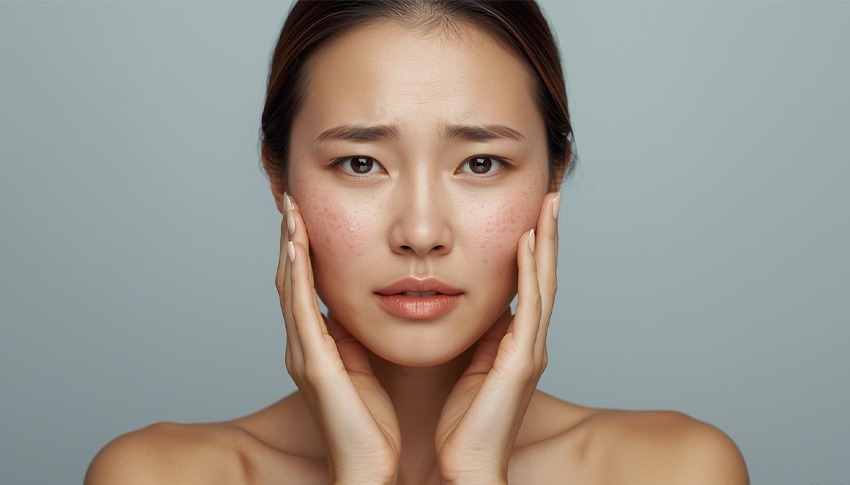
Have you been searching the Internet for ‘when is the right time to see a skin specialist?’ If yes, chances are that it is already time to book an appointment! Even though there’s no right time to see a skin specialist, experts recommend scheduling yearly visits for a full-body checkup to ensure you’re healthy. In fact, yearly visits to skin specialists are a great way to keep yourself updated about your skin changes and conditions.
Thus, if you’re unsure whether you should visit a skin specialist, read this guide.
Why Should You See a Skin Specialist?
Skin, hair, and nail disorders are the areas of expertise for skin specialists. From simple problems like acne, wrinkles, scars, and hair loss to more serious issues like skin cancer, they treat a wide range of ailments. Because of their training, dermatologists can even spot the early warning signs of major illnesses like diabetes and heart disease that manifest as symptoms related to the skin. They assist many people in improving their health and quality of life by using cutting-edge technology and appropriate skin treatments.
4 Indicators You Need to Visit a Skin Specialist
Here are some signs you need to visit a skin specialist.
Recurrent Breakouts of Acne
Numerous things, including hormone fluctuations, germs, stress, medications, and even harsh cosmetics, can lead to acne. Regardless of age, acne can affect anyone. Cystic acne is one kind of acne that results in big, uncomfortable, and noticeable pimples beneath the skin. Thus, you must see a dermatologist if your acne is severe, persistent, and unresponsive to over-the-counter treatments. In such situations, a skin specialist can provide a customized treatment regimen that includes oral and topical medications based on the requirements of your skin. In order to lessen pain and swelling and to avoid infection and scarring, these treatments usually target the underlying cause in addition to treating the symptoms. Additionally, a dermatologist can suggest strong acne laser therapy, which works better than over-the-counter treatments.
Visible Scars
Even though scars may be permanent, they can gradually disappear based on the severity of skin damage. Nevertheless, some scars may affect your self-esteem. Scar-reducing procedures can be helpful if noticeable scars are interfering with your social life, career aspirations, or emotional health. For safe and efficient scar removal solutions, speak with a dermatologist. Getting visible scars treated by a skin specialist can greatly enhance your appearance and increase your self-esteem. A dermatologist can do procedures like punch grafting for deep scars and laser skin removal for acne scars, regardless of whether they are the result of previous surgery, acne, or other imperfections. In order to reduce the rough texture and color of scars, your physician will decide on the best course of action for your skin.
Chronic Skin Irritation and Itching
In order to treat the cause of persistent itching and skin irritation, it’s critical to seek professional assistance. Even though dry skin is quite normal, extreme discomfort may be a sign of psoriasis, eczema, or allergies. See a skin specialist if over-the-counter remedies like moisturizers and mild cleansers don’t work or if itching interferes with your sleep or day-to-day activities. They can conduct a thorough assessment of your disease and suggest the best course of action, including targeted treatments, oral drugs, and creams. With the right care, you can control your skin condition, reduce discomfort, and stop itching from getting worse.
Hair Loss and Thinning
A skin specialist can identify the root cause of hair loss, whether it’s genetics, hormonal fluctuations, stress, or the usage of specific hair products. Early treatment is essential for hair loss, particularly if your hairline is receding. If treatment is not received, this condition might result in permanent baldness. Increased shedding or abrupt, uneven hair loss may possibly indicate an underlying medical problem that requires urgent care.
A skin specialist will provide you with a customized treatment plan based on the state of your hair. Depending on your situation, you can be offered oral medicine or topical lotions and serums to reduce inflammation on your scalp and promote hair growth.