
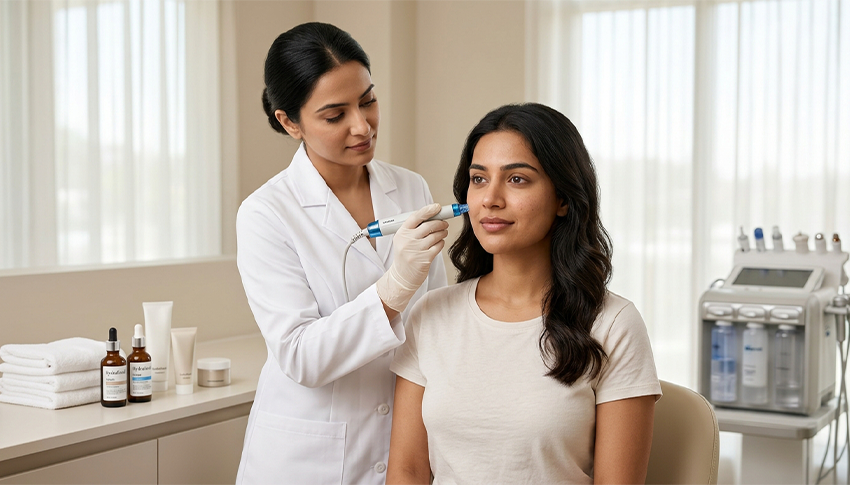
A Hydra Facial is often treated as a quick skin refresh that you can book whenever your complexion looks dull. While the treatment is generally convenient and involves little downtime, when you get a HydraFacial can make a difference. Your skin may react differently depending on what you intend to do, how long since your last treatment, any sun exposure you’ve had and what kind of condition your skin is in.
The right timing is not necessarily about booking a HydraFacial as frequently as possible. It’s all about selecting a time that your skin will benefit and have time to recoup from the treatment. If you’re looking for a clearer, smoother, more hydrated complexion or a fresh look before a big event, planning ahead can maximize the benefits of your appointment.
Read this guide to determine the right time to get a HydraFacial.
Are You Getting a HydraFacial for Maintenance or a Specific Occasion?
The first question you should ask yourself is why you are undergoing the treatment? If you are using HydraFacial as part of your regular skincare routine, appointments can be planned around your skin’s needs and your practitioner’s recommendations. It’s not always when the skin becomes very dull or congested that another session is needed. If you are getting a HydraFacial before a wedding, party, photoshoot, vacation, or another important event, timing becomes more important. You don’t want the treatment to be too close to the event, or your skin will be red or sensitive, but you don’t want it to be so close that you have no chance to resolve the redness or sensitivity. The starting point for your treatment should, thus, depend on your reason for booking!
How Far Before a Big Event Should You Get a HydraFacial?
Many people want to get a HydraFacial prior to an event as the skin appears smooth, moisturized, and revitalized without the extended downtime that some more intense treatments offer. However, if you’re planning an event, it’s logical to not book an unfamiliar facial right before. Sometimes treatments that are generally well tolerated lead to temporary redness, sensitivity or irritation. But if you’ve had HydraFacial before and know how your skin reacts, your dermatologist can help you pick an appointment time that is suitable for the treatment you are receiving and your event calendar. Remember that it’s especially helpful to take some time off before a big event if you’re having your first HydraFacial treatment.
What If You Are Getting a HydraFacial After Too Much Sun?
If your skin has been exposed to a great deal of sun recently, it’s even more important. Your skin may be more sensitive after a beach holiday, outdoor trip or long time in the sun. If you have redness, sunburn, irritation, or damaged skin, a HydraFacial may need to be postponed until your skin has recovered. This is particularly pertinent if you have come back from a holiday and are eager to “fix” dehydrated or dull skin. Your skin might need to recover and be protected before another procedure is performed. Inform your practitioner of any recent sun exposure before scheduling treatment.
Is There a Best Time to Get a HydraFacial During the Year?
There is no single season when everyone needs a HydraFacial. Due to the varying climate and lifestyle in different seasons, the skin may suffer from dehydration, congestion, dullness, or unevenness. Skin may feel and look different due to hot weather, humidity, air conditioning, pollution, and an exposure to more sunlight. Some people might be more concerned about hydration and skin comfort in colder or drier weather. In warmer seasons the condition can be more apparent with congestion and oiliness. Don’t automatically follow the seasonal routine; think about what your skin is experiencing.
How Often Should You Schedule a HydraFacial?
No one has a fixed schedule they must adhere to. Some people opt to get HydraFacial from time to time as a routine skincare treatment, while others schedule it for particular events or when their skin requires a lift. The optimal frequency will vary based on your skin goals, past treatments, skin care regimen, and skin type. Frequent treatments do not necessarily lead to effective outcomes. If your skin already feels comfortable, moisturized and reacting well to the routine you are using, you might not need to add more frequency. The idea is to determine a schedule that works for your skin and not one that is based on a calendar.