
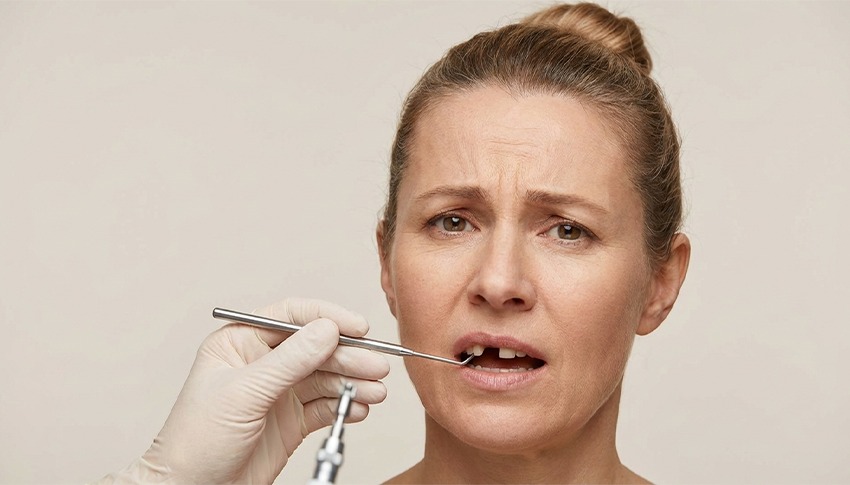
Are you missing one or more teeth? If yes, dental implants may be the best option for you. Due to their many benefits over alternatives like dentures and dental bridges, dental implants are a type of tooth replacement that is gaining more and more popularity. But how do you know whether you actually need a dental implant?
Continue reading for common signs that dental implants are necessary if you’re not sure if they’re the best option for you.
You Have Serious Dental Damage or Permanent Tooth Pain
Your tooth may be beyond rescue if you experience a persistent toothache that doesn’t go away even after taking painkillers and visiting your dentist. Sometimes a tooth cannot be properly restored due to extensive decay, diseased roots, or fissures beneath the gum line.
Extraction may be necessary for teeth with significant decay that has destroyed much of the tooth structure, vertical cracks that reach below the gum line, or recurring infections that persist despite therapy. Thus, your dentist may suggest extraction followed by an implant if root canals or other therapies are unable to alleviate the pain. In addition to providing you with a long-lasting, painless replacement, this removes the source of infection.
Your Teeth Are Shifting or Feeling Loose
In your mouth, adult teeth should be completely solid. It’s a major warning sign if you feel any looseness when you feel a tooth with your tongue or if your teeth appear to be shifting positions. In most cases, loose teeth are a sign of severe bone loss surrounding the tooth roots or extensive gum disease.
Unfortunately, teeth seldom settle on their own once they become loose. You run the risk of losing many teeth since the condition worsens the longer you wait. Thus, getting a dental implant may be vital as your remaining healthy teeth can frequently be saved by preventing this with implant treatment.
You Have Persistent Bad Breath Despite Maintaining Good Hygiene
There may be hidden infections in your mouth if you routinely brush, floss, and use mouthwash, yet still have bad breath. Ongoing halitosis that simply won’t go away can be caused by deep decay, diseased tooth roots, or bacteria trapped in places you can’t effectively clean.
Sometimes, removing the troublesome teeth and replacing them with sterile dental implants is the only method to get rid of these sources of infection. This can ultimately end persistent foul breath problems.
One or More of Your Teeth Are Missing
Missing teeth is the most evident indication that you want dental implants. There are issues that go well beyond appearance when even one tooth is lost. Your entire bite alignment may be thrown off when you have gaps in your grin because the remaining teeth begin to move into those vacant spaces.
Because there is no tooth root to stimulate the bone, missing teeth also cause the jawbone to deteriorate. Although this bone loss occurs gradually, it might eventually alter the anatomy of your face and make implant placement more difficult. Therefore, getting a dental implant is crucial as long-term dental health may improve the sooner you replace lost teeth.
You’re Having Denture Issues
It’s a common misconception that people only have to put up with painful, poorly fitting dentures. Dental implants can provide a permanent solution if your dentures cause uncomfortable tender places, slip when you eat or speak, or require you to use sticky adhesives on a daily basis. Compared to conventional dentures, implant-supported dentures feel far more natural and remain firmly in place. You’ll be able to speak confidently once more and consume the things you’ve been avoiding.
You Observe Sunken Appearance and Facial Changes
The way losing teeth alters your face is one of the most striking consequences. The jawbone begins to shrink when teeth are absent because the tooth roots are no longer stimulating it. This loss of bone can give you a prematurely aged appearance, sunken cheeks, and deep wrinkles around your mouth.
The only tooth replacement method that stops this bone loss is dental implants. The dental implant will keep your jawbone healthy and your facial structure intact by acting as a natural root. In fact, after receiving implants, many patients are astounded by how much younger they appear.