
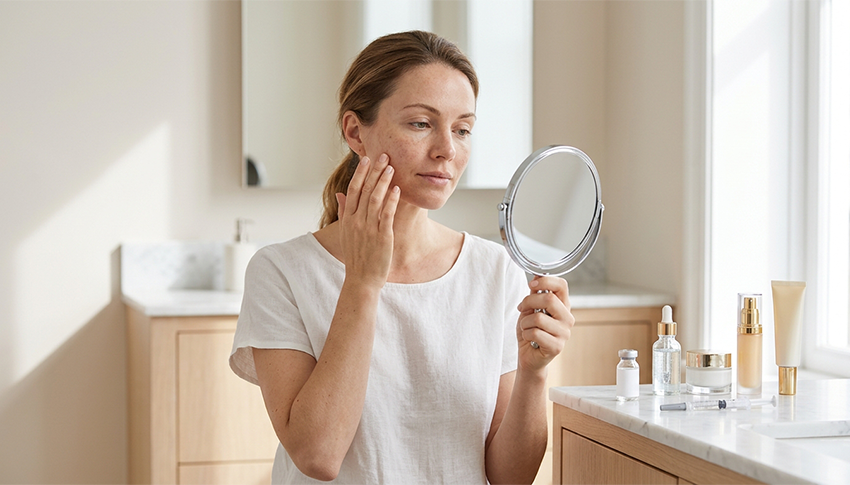
Do you have dull looking, tired or uneven skin? If yes, you may first hit the brightening serum shelf. However, when your complexion is not glowing, it might mean that it requires additional moisture. Hydration and brightening are often discussed together in skincare, yet they address different concerns. Hydrating ingredients assist in enhancing hydration levels and promoting skin barrier, whereas brightening ingredients are typically aimed at uneven pigmentation or dullness. Knowing the difference will help you prevent unnecessary products and pick a routine that meets your skin’s needs.
Read this guide to learn more.
What is the Difference Between Hydration and Brightening?
Hydration is the process of keeping the water levels in the outer layers of skin in balance. When skin is well-hydrated, it feels comfortable and looks smoother and more supple. Dry skin can appear dull, tight and have more visible fine lines. Brightening, on the other hand, typically means to help in restoring an uneven skin tone or with dark spots, or to treat some pigmentation issues. For instance, if you’re dealing with dryness, you’ll want something that moisturizes your skin, but if you’re dealing with a blemish of acne marks, you’ll want something that targets pigmentation. Although both approaches can improve your complexion, they aren’t interchangeable.
What Are Common Indicators Your Skin Needs Hydration?
Dehydrated skin doesn’t always feel obviously dry. Similarly, oily skin doesn’t necessarily mean that you are still dehydrated as these are two different processes.
Some common signs include:
- Tightness after cleansing
- Lines that grow visible as the skin dries out
- Patches of roughness or flakes
- Makeup settling unevenly
Dry weather, harsh cleansers, excessive exfoliation, and inappropriate skincare products can all lead to dehydration. If these symptoms sound familiar, adding yet another brightening treatment might not be the best place to start. Rather, try to use mild cleansing, moisturizing and minimizing products that may cause irritation to the skin.
What Are Common Indicators Your Skin Needs Brightening Solutions?
If your skin feels comfortable and is sufficiently moisturized, but the skin itself seems to be uneven, pigment may be causing the concern. These can include acne scarring, sun damage, hyperpigmentation, etc. Although dehydration may cause dullness, pigmentation changes can still be seen even if your skin is well moisturized. Some parts of your face may seem darker than others, or acne blemishes may take months to fade. But not all skin color changes need to be brightened. A healthy complexion will have some pigmentation, but if you notice that the pigmentation is unusual or persistent, it does need professional evaluation. Remember, the aim should be to correct a concern, not to alter your natural skin color.
Do You Need Hydration and Brightening Both?
Yes, there is a possibility for hydration and pigmentation to be present at the same time. For example, you may have dry, skin lines from acne scars. And in this case, a brightening serum alone might not suffice, particularly for if the skin barrier is already damaged. The first step toward balance typically is to use gentle cleansers, moisturizers, and to apply sunscreen every day. After skin is comfortable, individual ingredients can be added in a step-by-step manner.
However, do not mix several powerful products just to get quicker results. In some cases, exfoliation or irritation may exacerbate discoloration, especially if it is brought on by post-inflammatory hyperpigmentation.
How Should You Choose Ingredients?
The ingredients you use should be aligned to your concern. Products rich in glycerin, hyaluronic acid, ceramides or other hydrating active ingredients are ideal for hydration. If you have uneven pigmentation some formulations with vitamin C, niacinamide, azelaic acid or retinoids may work.
But the efficacy of these ingredients relies on concentration, formulation and regular application. Also, keep in mind that brightening products don’t work instantaneously. It may take weeks or months to see an improvement in some pigmentation issues. Add new products one at a time and check for reactions. If a product leaves a red, burning or uncomfortable sensation, stop using it and consult a dermatologist immediately.
When Should You Get Professional Treatments?
If you still have dry skin despite good skincare, you can consider getting professional treatments after a proper consultation with a dermatologist. Some facials, such as moisturizing treatments, can make a short-term difference to the appearance of the skin, but this is not a substitute for regular home care. Depending on diagnosis, a dermatologist may prescribe products for pigmentation, use a specific chemical peel or another procedure. In some cases, whitening injections may also be recommended to reduce uneven skin tone. Talk to a medical professional about the risks and options for any injectable procedure before using it.