
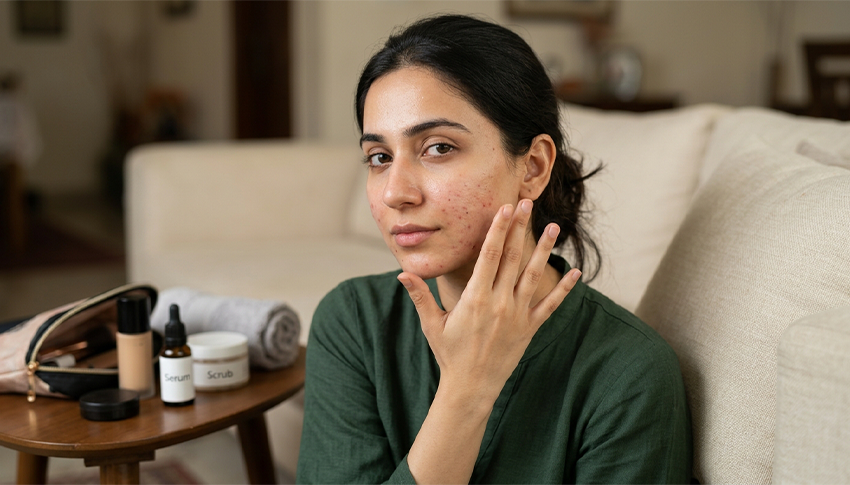
Facial mesotherapy is an effective cosmetic procedure that uses a number of tiny injections to deliver specific substances into the skin. It’s frequently included in skin rejuvenation regimens to minimize the look of dryness, uneven texture, dullness, and tired skin. Even though the procedure itself is important, what you do in the hours and days following can have an effect on your results. While many people make the right choices in choosing the right clinic and treatment, they don’t consider the parts that come after the treatment. Unnecessary rubbing, overexercising, using an overly abrasive skin care product or letting freshly treated skin come into contact with too much heat can irritate the area. Remember, some mistakes may seem harmless but can interfere with the recovery process! Knowing what to avoid after mesotherapy can help protect your skin and give your treatment the best chance of producing the desired result.
Read this guide to find out more about habits that could ruin mesotherapy results.
Touching or Rubbing Your Face Too Much
After mesotherapy, a common mistake is to touch the treated area over and over again. The skin may be temporarily sensitive, slightly swollen or red after the injections. Unnecessary rubbing or touching can cause further irritation and make the area uncomfortable. Dirt, oil and bacteria can also be passed from your hands to freshly treated skin. Even if your hands are clean, there is no need to keep touching treated area, unless there is a good reason. Try to leave your skin alone as much as possible immediately after treatment. If a dermatologist instructs you to cleanse or apply products, do so carefully, using gentle movements.
Using Make Up Too Early
Putting makeup on immediately after facial mesotherapy may seem harmless, especially if you need to return to work or attend an event. However, freshly injected skin may be more susceptible to irritation. Depending on the type of products you use, the technique that your dermatologist employs, and the appearance of your skin immediately after an injection, your doctor may suggest waiting before applying makeup. Overshaded area can also facilitate excessive touching while applying and removing cosmetic products. For any important event that you have coming up, schedule the treatment well in advance to give your skin enough time to acclimate. Your dermatologist will be able to recommend when it is safe to begin wearing make-up again, depending on your specific treatment.
Using Harsh Products After the Treatment
The most common aftercare mistake is switching back to a harsh skincare regimen too quickly. When the skin is recovering from a lot of small injections, products with high exfoliating or active ingredients can be irritating. This can include exfoliating acids, retinoids, scrubs, or other possibly irritating products depending on your normal skincare routine. You may experience a feeling of discomfort right after treatment, even with products that you would normally use and tolerate on your skin. For the first few days, follow the skincare routine recommended by your dermatologist. Keeping your routine simple and gentle can help minimize unnecessary irritation while your skin recovers. Moreover, don’t assume that you can go back to your regular schedule; ask when individual active ingredients should be resumed.
Exercising Too Soon
A hard work out immediately after mesotherapy may not be the best idea. Recently treated skin may feel more irritated or uncomfortable due to exercise and sweating. Strenuous activities may also include excessive touching of the face, sharing of gym equipment, or excessive heat. Because of this, your dermatologist may suggest that you refrain from high-intensity activity for a certain time following treatment. This will vary according to treatment and individual skin response and will be specified by your clinic. Mild normal exercise is okay, but do not overdo it during the initial healing period.
Picking at Small Bumps or Injection Marks
Facial Mesotherapy may sometimes leave small bumps, redness, swelling or tiny marks. These reactions are usually temporary and will resolve as the skin heals. It is important to not rush the process by squeezing, scratching or picking at the treated surfaces. This may cause further irritation and may delay normal healing. Rather, leave the skin to rest as it will and follow the aftercare guidelines from your dermatologist. If a reaction is unusual, getting worse, or not responding as expected, don’t try to treat it at home, but contact your clinic instead.