
Living with knee osteoarthritis (OA) can change the way you approach everyday activities. Activities such as climbing up and down stairs, moving around for longer, doing exercise or standing up for a longer time, can begin to become more difficult. However, having knee OA does not mean you have to give up the activities you enjoy. It’s all about balance; being active without injuring the joints. After all, excessive activity can add to discomfort, and going on the wagon completely may make the knees feel weak and less mobile over time. But with the right approach, treatment plan, and lifestyle adjustments, many people with knee OA are able to maintain an active routine while managing their symptoms.
Read this guide to learn more about this.
Understanding Why Movement Matters With Knee OA
Once knee pain occurs, it is natural to want to avoid moving your knee, as you don’t want to worsen the pain. But less activity can pose its own difficulties. Muscles surrounding your knee may weaken when you are not active, and that can lead to less support for your joint during everyday activities. This can make walking, standing or climbing stairs feel more challenging. Controlled and gentle movement allows flexibility, strength, and mobility to be maintained. The aim is not to overwork your knees but to keep them moving in a manner that facilitates your daily activities.
Find the Right Balance
One of the most difficult aspects of knee OA is understanding the “right” amount of activity, or when it’s time to slow down. Overdoing activities can lead to increased discomfort, while avoiding movement completely can make your knees feel stiffer. Balance is about listening to your body and making changes to your routine as necessary. For instance, if you have to walk a long distance and your knees are not feeling good, shorter walks throughout the day might be more advisable. Likewise, dividing chores into shorter chunks will minimize unnecessary strain. Active living with knee OA is not about doing the same things as before. It’s about discovering more effective ways to be engaged in things that are important.
Choose Exercises That Support Your Knees
Not every exercise puts the same amount of stress on your joints. Low impact exercises may be preferred as they provide movement without stress to the knees.
Activities that may be easier on the joints include:
- Walking at a comfortable pace
- Swimming
- Cycling
- Gentle stretching exercises
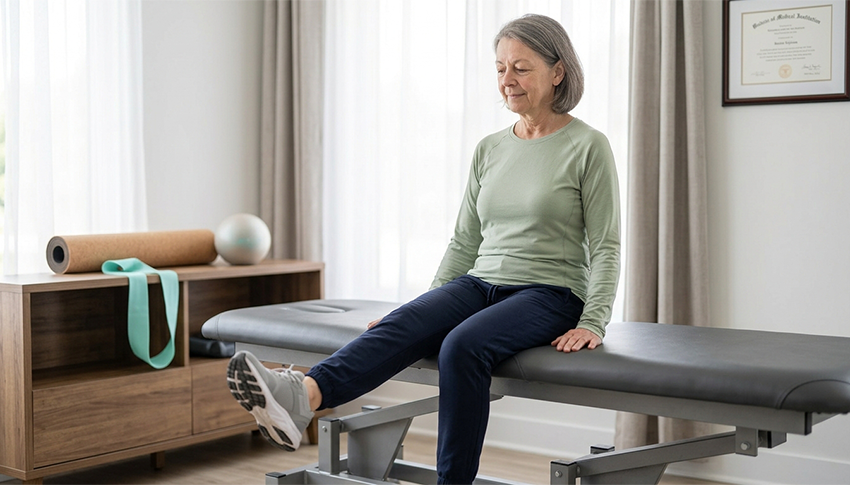
Exercising the muscles around the knee, particularly in the area of movement support, can strengthen the knee and make daily activities easier to complete. The goal of exercise with knee OA is not to “work through the pain” but it is to build strength and maintain mobility in a controlled way.
Understand When Your Knee Needs More Support
Lifestyle changes can help manage knee OA, but some people need additional support depending on their symptoms and stage of joint changes. If knee discomfort starts affecting your daily routine, it may be time to discuss treatment options with a healthcare professional.
Treatment strategies for knee OA are individualized and may involve any or all of the following: Changes to activities and lifestyle habits
- Strengthening exercises
- Physical therapy
- Use of supportive devices as recommended
- Medications or other therapies to control symptoms
Remember, the right treatment depends on factors such as your symptoms, lifestyle, activity level, and overall knee condition.
Learn About Knee OA Treatment Options
Some people put off treatment for knee OA because they feel it’s something they need to “live with.” However, early attention can help people better manage their symptoms and maintain their quality of life. Your knee can be evaluated by a healthcare professional to determine a course of action for you that is appropriate.
Enhancing movement patterns and strengthening the muscles around the knee may be sufficient for people to enhance comfort in daily activities. However, some individuals may require more treatments to help control pain and function. Remember that the purpose of treatment is not only to reduce discomfort but also to help you continue doing the activities that are important to you.