
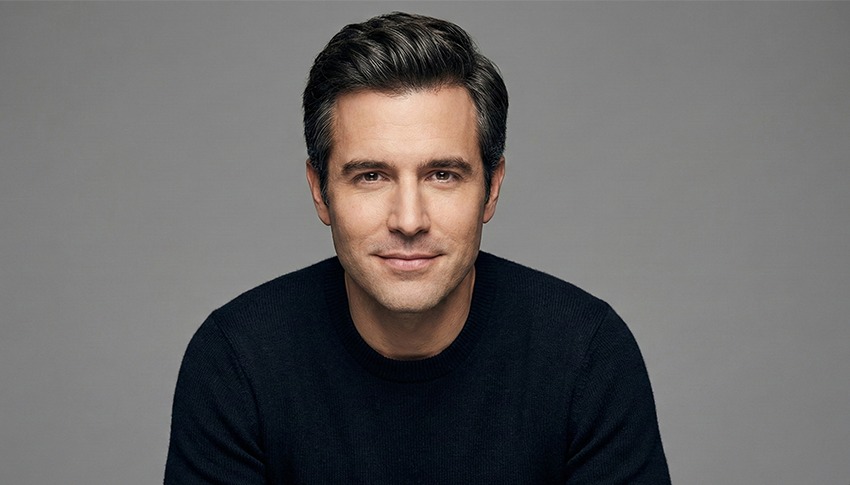
A hair transplant is frequently seen as a transformative procedure that restores both your hair and your self-esteem. However, you may be wondering, ‘What happens after years of hair transplant? Does the appearance of the hair remain unchanged? or does it remain full and natural, or does it thin again?’ Well, we heard your concerns and made the perfect guide for you!
Continue reading to learn more about hair transplants.
After the Initial Year
- Patience is key throughout the first year following a hair transplant. Many people first experience what is referred to as “shock loss.” The grafted hairs frequently fall out throughout the first two to four weeks. Although it may seem depressing, this is rather common. Those hair roots stay securely buried under the scalp, ready to grow back stronger and healthier.
- Little new hair starts to appear around the third or fourth month. Over time, they strengthen and become denser, while initially appearing thin and wispy. Noticeable coverage begins to show by the sixth month, and most people see between 80 and 90 percent of their ultimate result by the 12th month.
- Remember, seeing your own hair regrow naturally again is the most beautiful part of this process. Even after being implanted, the follicles retain those same genetic characteristics since they originate from regions of the head that are resistant to baldness, usually the sides and back. This indicates that the outcomes are intended to be long-lasting rather than merely transient.
After 5 Years
- Your new hair must have reached full maturity at the five-year milestone. It grows, sheds, and may be cut, dyed, or styled as you please, just like the remaining portion of your natural hair. At this point, the majority of patients have stable, natural-looking hairlines and thick, even coverage.
- It’s crucial to keep in mind that even if transplanted hair is permanent, balding patterns or natural thinning may still harm the surrounding non-transplanted hair. This is just a result of your unique genetic makeup and the aging process. Over time, the density difference may become more apparent in certain people due to mild thinning around the transplanted location.
- Many professionals advise preventive care like PRP (Platelet-Rich Plasma) therapy to strengthen and safeguard the surrounding hair in order to retain an even, fresh look.
After 10 Years
- Usually, even after 10 years, your hair will look fantastic after a hair transplant. Because they originate from donor regions that are genetically resistant to balding, the newly planted hair follicles are permanent. This indicates that the follicles are still growing normally after ten years.
- Nevertheless, transplanted hair is not impervious to the effects of aging, just like any other hair. You may observe a few minor changes over ten years, such as the hair becoming slightly finer, losing volume, or turning gray. These are not indications of transplant failure; rather, they are typical aging changes. However, a well-executed surgery preserves the general density and pattern.
- The quality of the initial surgery has the largest impact on how your hair looks ten years later. The results would age wonderfully if your surgeon used modern methods like FUE (Follicular Unit Extraction) or FUT (Follicular Unit Transplantation) and meticulously planned the graft location. A well-done hair transplant produces a hairline that looks natural, enhances your face structure, and keeps looking beautiful as you age!
- After eight to ten years, some people decide to have a touch-up procedure, particularly if they experienced severe hair loss prior to their initial transplant. As their scalp texture continues to change as they age, this helps enhance density or modify the hairline. Although it’s not always required, it can maintain the results looking balanced and full while also revitalizing your appearance.
How to Maintain Lasting Results After Hair Transplant?
Even though your hair transplant is meant to endure, it will look its best if you maintain a healthy scalp and way of life.
Maintain a good hair care regimen: Steer clear of harsh chemicals and heat treatments that can weaken your hair and use gentle shampoos without sulfates.
Consume a well-balanced diet: Vitamin D, zinc, and biotin are essential for healthy hair. Stronger, glossier hair is supported by a diet high in protein.
Control your tension: Excessive stress can cause your hair to thin. Hormonal balance can be maintained with consistent physical activity, meditation, or even easy walks.