
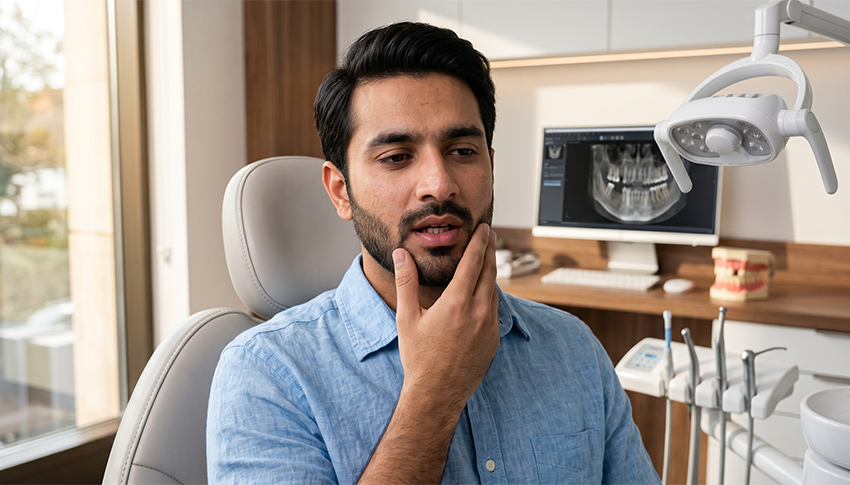
Losing a tooth can impact more than just the look of your smile. Missing teeth can impact how you chew, speak and bite and, eventually, the teeth and jawbone around the gap can also be affected. Although not typically a dental emergency, there are instances where delaying dental care too long may result in more complex replacement. When a tooth is lost, the bone that used to support the root of that tooth is no longer stimulated in the same way and may slowly lose volume. The adjacent teeth can also shift into the empty space, which can affect your bite and make future treatment more difficult. The best time for you to get an implant depends on many factors, including your oral health, the condition of your bone and gums, and why you lost the tooth.
Read this guide to learn more about this.
Jawbone Loss
One of the primary issues with postponing dental implant therapy is the gradual loss of bone in the site of the missing tooth. Natural tooth roots promote the adjacent jawbone during routine tasks like chewing. Once you lose the root, you lose that stimulation, and the bone can slowly shrink down in height. Everyone loses bone at different rates and different amounts so there is no set time clock for everyone. In cases of significant bone loss, the placement of an implant can be difficult because there may not be enough bone for the implant to be supported adequately. In some cases, the dentist may suggest a bone graft before or during the implant placement. Replacing a missing tooth in a timely fashion may help preserve the available bone.
Other Teeth May Begin Shifting
Missing teeth can create gaps that cause neighboring teeth to shift. Teeth will usually respond to changing forces around them and neighboring teeth can slowly move or tilt into the empty space. The opposing tooth may also move down or up into the space as it no longer contacts the missing tooth throughout normal chewing. These changes can affect the alignment of your teeth and the fit of your upper and lower jaws. Even slight motions can make it harder to clean certain areas or alter your bite. If you are thinking about getting an implant but are not ready to go ahead at this time, talk to your dentist about managing the space. You can catch changes before they get any worse by monitoring the area.
Bite and Chewing May Get Affected
A missing tooth can cause uneven distribution of chewing forces across your mouth. You may find yourself chewing more on the other side, especially if the tooth that is missing was used to break down food. Over time, this can alter the way you chew and may place extra stress on other teeth. Depending on the tooth that is missing and how your bite is impacted, you may also have trouble chewing certain foods. These changes don’t happen immediately, and most people make the adjustment without even realizing that their chewing pattern has shifted. But leave a gap for too long and it can affect your bite and other things to do with the way your mouth works.
Difficulty in Maintaining Gum Health
Missing teeth don’t necessarily lead to gum disease, but alterations around the gap can make it more difficult to carry out oral hygiene. Teeth next to them may shift or tilt, creating new spaces and areas that are difficult to reach. If plaque builds up around these areas it can lead to an increased risk of gum disease and other oral-health conditions. If you’re eventually going to get a dental implant, then the health of your gums is even more important as implants need healthy tissues around them to support them in the long term. If you have gum disease, your dentist will probably want to see that treated before you get implants. This is why waiting to get a tooth replacement shouldn’t be an excuse to neglect the area altogether. As you look into replacement options, regular dental check-ups and thorough cleaning between the teeth will help you maintain your oral health.