
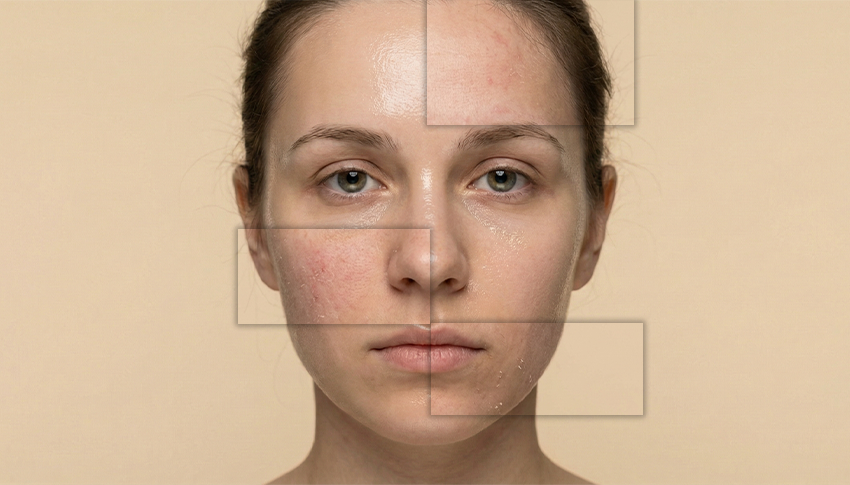
Chemical peels are a common skin treatment used to enhance overall appearance, texture, and tone. They can help with dull skin, fine lines, hyperpigmentation, and acne scars. Even though the process is rather quick, the type of peel used and your skin’s reaction will determine the outcome and recovery time. Knowing what to anticipate after the chemical peel can help you navigate the way to recovery and get the most out of the treatment.
Read this guide to find out more about the aftermath of chemical peels.
You May Experience Some Redness Initially
It’s common for your skin to feel tight, sensitive, or a little warm after a chemical peel. One of the most frequent side effects, particularly with medium and deep peels, is redness. For light peels, this redness usually goes away in a few days, but for deeper peels, it may take up to several weeks. It can resemble a mild sunburn. Additionally, your skin may feel more sensitive than normal, so it’s crucial to avoid friction or harsh scrubbing during this time.
Variations in Skin Texture and Color
During the early stages of healing, it’s common for the skin to appear uneven or slightly darker. Depending on their skin type and the intensity of the peel, some patients may have transient hyperpigmentation or lighter patches. When appropriate sun protection is used, these changes typically level out over time. Before your skin completely smoothens out, it may also feel dry or rough, but this is a typical aspect of the rejuvenation process.
Skin May Peel or Look Flaky
Skin flaking or peeling is one of the telltale signs of a chemical peel. This happens when the outermost layer of damaged skin peels off, exposing new, renewed skin beneath. For lighter peels, peeling usually starts in two to three days; for stronger peels, it could take up to a week or longer. It’s important to avoid picking or peeling the skin yourself as this may result in infection or scarring. This stage can be easily managed by using mild moisturizers and adhering to your dermatologist’s recommendations.
Your Skin May Get More Sensitive to the Sun
Your skin becomes more vulnerable to UV radiation following a chemical peel, so sun protection is crucial. The new skin may become irritated, discolored, or even damaged by direct sunlight. Wear a wide-brimmed hat, apply a broad-spectrum sunblock with SPF 30 or higher every day, and stay out of the sun for at least two weeks. During the healing process, physical barriers such as scarves or UV-protective clothes can further protect your skin.
Mild Acne Breakouts
Towards the end of the peeling process, there may be a few minor breakouts of individual imperfections or patches of acne. Once more, this is typically brought on by general skin irritation both during and immediately following the peel. But don’t worry! Fortunately, this acne usually goes away quickly. It usually goes away in a few days, and you’ll be able to see your gorgeous, new skin.
Suggested Post-Peel Skincare Routine
Maintaining a gentle skincare regimen is essential for optimal outcomes and appropriate healing. For at least a week, stay away from exfoliating products and use a gentle, hydrating cleanser. While calming components like hyaluronic acid or aloe vera can aid in healing, moisturizers can help reduce dryness and flakiness. Until your dermatologist certifies that your skin is ready, stay away from chemical compounds like retinol, glycolic acid, or potent vitamin C. Eating foods high in nutrients and drinking plenty of water can also promote skin regeneration from the inside out.
When to Consult a Professional?
To make sure you are recovering appropriately, get in touch with your doctor if you have any pain, bleeding, chronic swelling, or acne scarring. Chemical peels, particularly severe chemical peels, carry some dangers; ensure your doctor is available to respond to your inquiries and offer any assistance you may require.
How to Speed Up Your Chemical Peel Recovery?
There are a few things you can do to maximize the effects of your chemical peel and guarantee a seamless recovery. First, pay close attention to the aftercare instructions provided by your dermatologist or aesthetician. Because your skin will be more sensitive and susceptible to UV damage during the healing process, you should use moderate, non-abrasive skincare products and stay out of the sun. Dryness and irritation can be reduced by using a suggested post-peel moisturizer to keep your skin hydrated. Drink lots of water and stay away from harsh skincare products that could irritate the healing skin because it’s important to stay hydrated during this time.