
Hearing that you need a root canal can be stressful, especially if you were not expecting it. Many people begin to ask themselves if it will hurt, if the tooth can be saved, if the cost will be expensive, and if extraction will be simpler. When it comes to treatment, it’s perfectly natural to have questions before giving consent. The purpose of a root canal is to prevent further damage to a tooth and preserve one’s original tooth, but knowing the reason it has been suggested and the processes involved can make the decision easier.
Before you sit in the dental chair, here are some of the most useful questions to ask your dentist.
Why Do I Need a Root Canal?
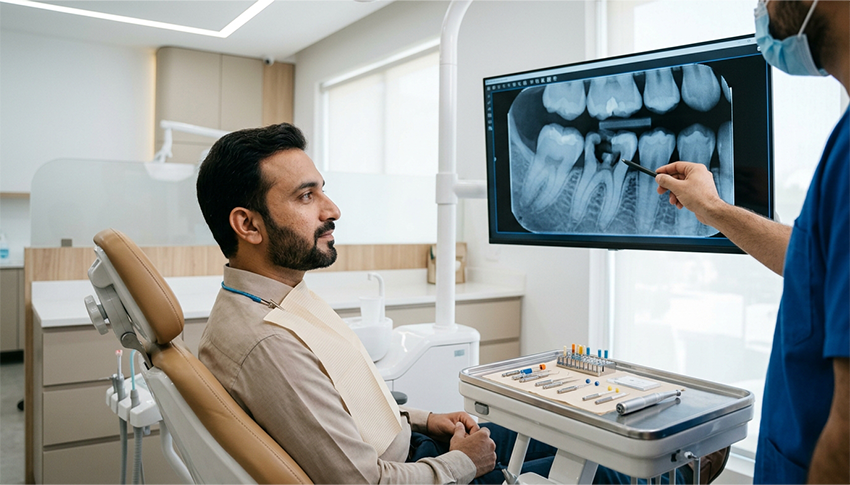
Always begin with the most significant question: what is the problem with the tooth? Ask your dentist to explain why a root canal has been recommended and what they have found during your examination. They may take dental X-rays or other tests to see what is going on inside the tooth. It’s okay if you don’t know all the dental terms. Request your dentist to explain what is happening in simple terms and, if at all possible, demonstrate to you on your dental X-ray. Knowing why you’re being treated will help you know what you’re agreeing to, instead of just doing a procedure because your tooth hurts.
Can My Tooth Still Be Saved?
When a root canal is recommended, it is important to ask if it is possible to restore the tooth. In many situations, the purpose of a root canal is to remove the damaged or infected tissue inside the tooth, clean the space and seal it so the tooth can continue to function. Not all teeth, however, can be treated in the same manner. The amount of remaining tooth structure, the condition of the tooth and other factors can affect what is possible. Discuss with your dentist whether your tooth can be saved and what will be required to preserve it after the root canal.
Do I Have Any Other Options?
It is important to know what options are available before deciding. Depending on the condition of the tooth, your dentist may discuss options such as monitoring the tooth, another type of dental treatment, or extraction. This doesn’t imply that all choices will be perfect. What is important is to know that your dentist is recommending one method over another because of a reason. If you’re looking to get the tooth pulled out, ask what the tooth replacement process will entail after the extraction. If saving the natural tooth is possible, ask what the advantages and limitations of doing so would be.
What Will Happen During the Root Canal?
The appointment can seem less daunting if you know what to expect. Have your dentist demonstrate the process of the procedure all the way through. They can describe how they will be accessed, how the inside will be cleaned and shaped, and how the tooth will be sealed. You can also enquire about the length of the appointment and if your specific tooth will need more than one visit. Depending on the tooth and the situation, there may be different treatments involved, and your dentist can explain what your appointment will entail.
Will the Root Canal Hurt?
This is one of the first questions many patients have, and there is no reason to feel embarrassed about asking it. Let your dentist know how uncomfortable you will be while being treated and what you can expect to experience after. The region is generally numb during treatment, but you might feel pressure or even feel during the procedure. There is also a chance of some tenderness following. If you are particularly anxious about dental treatment, tell your dentist before the procedure. If they know you’re nervous, they can explain every step of the process and talk about how to make your appointment more comfortable.
Will I Need a Crown After the Root Canal?
Don’t assume that the root canal is the last step. Depending on which tooth is being restored and the amount of tooth structure left, a crown or another type of restoration may be recommended to preserve the tooth and restore its function. Inquire about the outcome of the root canal and if a crown is recommended in your specific situation. It is also helpful to inquire about the timeframe in which the eventual restoration would be finished. Knowing the full treatment in advance can prevent you from seeing the entire treatment as an entirely different procedure.
How Much Will the Complete Treatment Cost?
Ask for the overall price, not just the treatment for the root canal. The entire treatment can include the examination, radiographs, root canal therapy, filling or temporary restoration, and possibly a crown or final restoration, depending on the situation. Prices can therefore vary depending on what your tooth requires. Check with your dentist or clinic to see what is covered in the quoted fee and what might be an extra cost. This can make it easier to plan ahead financially and stay free from unwanted expenses.