
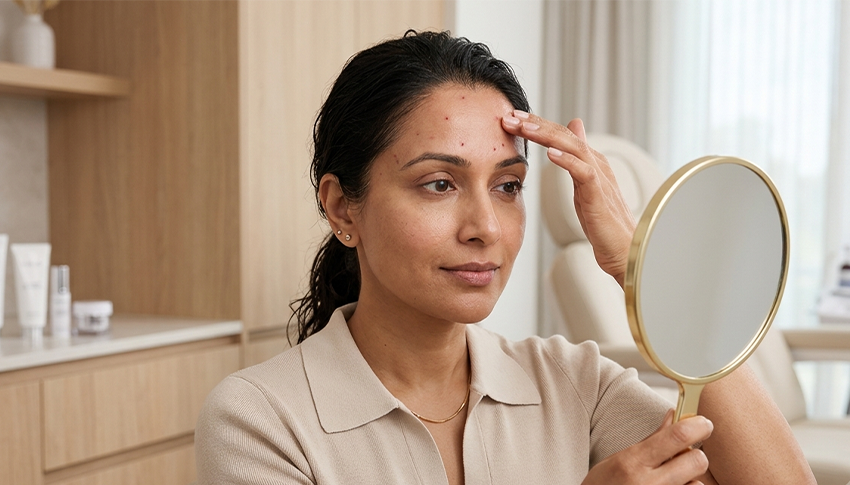
Botox is one of the most common non-surgical cosmetic procedures used to decrease the look of fine lines and wrinkles. Most people are able to get back to their usual routine soon after, but the procedure itself is quick. But what you do in the initial 24 to 48 hours after your visit can affect how well the treatment progresses and the results you get. While Botox injections do not require a lengthy recovery period, following the suggested aftercare guidelines can help reduce the chance of side effects and guarantee that the treatment works as it should. Knowing what not to do after your treatment enables your muscles to react appropriately while allowing your skin to recover.
Read this guide to learn more about this.
Don’t Massage the Treated Area
One of the most essential post care guidelines is to prevent rubbing, pressing or rubbing the areas where Botox injections were administered. The injections are done with precision but putting too much pressure after the procedure can impact how the product settles under the skin. Refrain from facial massages, facial massage tools, or intense pressure to the face for at least the amount of time prescribed by your medical professional. It is also advisable to avoid putting your face on your hands for extended periods of time in the initial few hours. If there are minor tenderness or small bumps at the sites of injection, do not feel the need to touch them. These small reactions usually get better by themselves in a short time.
Avoid Intense Exercise
While routine physical activity is good for your overall health, vigorous exercise is generally not recommended right after a Botox treatment. Intense exercise, heavy lifting and anything that causes your heart rate to increase significantly can boost blood flow to the treated regions, which may lead to swelling or bruising. Exercise also increases the temperature of the body and too much heat shortly after the procedure may make the skin more sensitive. Light daily routines such as walking are generally fine unless your practitioner has advised otherwise, but it’s best to hold off on strenuous gym workouts, running or high-impact fitness regimens until you’ve been given the all-clear. Allowing your body some rest time helps facilitate the therapeutic process and enables the injected areas to settle in without unnecessary strain.
Stay Away from Heat and Sun
During the first day or two after Botox injections, stay away from activities that subject your body to excessive heat. This consists of hot showers, saunas, hot tubs and exposure to emit sunlight for long periods of time. Heat can temporarily boost circulation and lead to redness or swelling in the treated areas. Your skin could also be a little more sensitive right after injections, so if you are going to be outside, sun protection is especially important. It’s wise to take precautions; wear a hat, use sunscreen, and don’t overexpose yourself to the sun. Normal day-to-day activities can generally be resumed, but avoiding over-heating environments in the early recovery period can help to minimize unneeded irritation while your skin settles.
Don’t Lie Right After Treatment
While some specialists advise lying flat immediately after the Botox treatment, many recommend keeping an upright position for a few hours. Recommendations may differ slightly depending on the area being treated, but remaining upright minimizes unnecessary pressure on muscles being treated during the settling phase. If possible, avoid taking a nap or reclining fully immediately after your appointment. Also, it’s recommended to delay tasks that require frequent bending forward or prolonged pressure on the face. As with any treatment, it’s always best to follow your practitioner’s instructions, as aftercare may vary slightly depending on the areas treated and your specific treatment plan.
Follow your Practitioner’s Aftercare instructions
Every Botox treatment is personalized, which means your aftercare instructions may vary depending on the treatment areas, the amount of Botox used, and your medical history. General recommendations are useful but should not be a substitute for a qualified healthcare provider’s advice. When a mild redness, swelling or bruising occurs, it is usually temporary and will resolve within a few days. If the pain is severe, the swelling is significant, problems swallowing, vision changes, muscle weakness away from the treated area, or other unusual symptoms, get medical attention immediately. You can also have follow-up sessions with your practitioner to review your progress and see if adjustments are necessary for future treatments.