
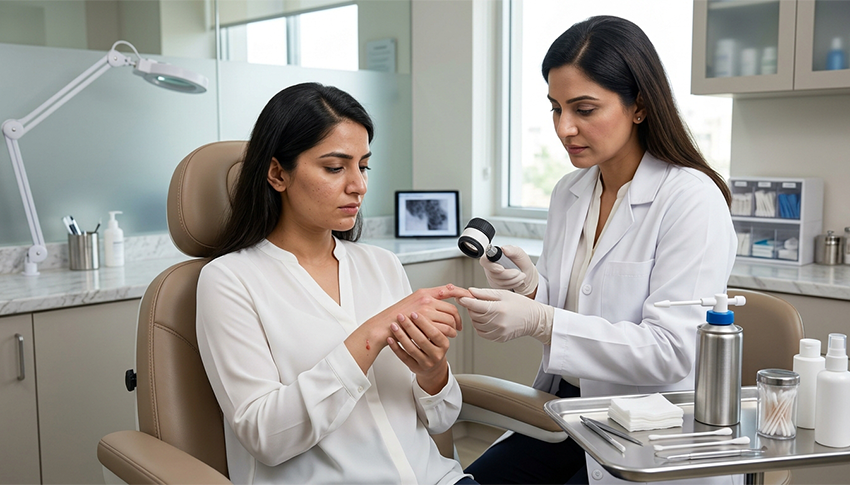
Having a wart removed may seem like the problem is truly over, only to see a small bump appear in the exact same area months or weeks later. That can be frustrating especially if you have already been treated. But the reappearance of the warts does not necessarily indicate that the removal process has failed. Warts are brought about by particular kinds of human papilloma virus (HPV) that infect the skin. Treatment involves eliminating or destroying the visible wart.
However, some warts call for more than one treatment, and some might disappear and then reappear. The virus can spread to other parts of the skin and cause new warts. Knowing the reasons for this and when to seek professional care may assist you to better manage persistent or recurring warts.
Continue reading this guide to learn more about this.
Wart May Not Have Been Removed Entirely
A wart may seem to come back when the treatment does not completely destroy the tissue that is affected. The methods of wart removal involve either destroying or eliminating the visible growth. Some warts can be persistent and might need repeated treatment. An example is cryotherapy, a popular professional treatment, which often takes more than one session, with procedures scheduled every two to four weeks. What seems to be a recurrence might be residual wart tissue showing up again rather than a completely new wart developing. This is especially possible with larger, more profound, or long-standing warts. If the growth is starting to return it is best to have the area checked rather than assume the treatment has been unsuccessful.
HPV Virus is Still in the Skin
Some strains of human papillomavirus (HPV) result in warts. Taking away the apparent development does not mean the virus is completely gone from the skin around it. Your immune system is important in preventing and ultimately clearing the infection, which may require time. That’s why a wart can appear to go away and then come back. However, this does not necessarily mean that the wart removal process was done wrong. It could just be that the underlying viral infection has not been fully contained. The body’s response to HPV differs from person to person, with some people developing persistent or recurring warts and others clearing them more easily.
Warts Are Stubborn
You can’t expect to treat every wart in the same way. How hard they are to get rid of can depend on where they are, how big they are, what kind they are, and how long they have been there. Sometimes warts on the feet can be particularly stubborn because the pressure of striding can push them further into the skin. Careful handling may also be needed for warts around the nails and other hard-to-reach areas. Even if the treatment was done correctly, a wart that has been there a long time may not go away after one treatment. If the wart fails to respond as expected, your skin specialist may suggest a few regular visits or use another treatment method.
Treatment Was Stopped Earlier
Some wart treatments need a number of treatments, or regular use before the growth is gone completely. You may be tempted to stop when the wart is smaller or less noticeable, but that doesn’t mean you’re done treating it. Based on the technique used, your specialist may suggest you return for further sessions periodically. Stopping treatment too soon may leave some of the wart behind and cause it to reappear later. It is also important to follow the directions consistently if you are using an at-home treatment that has been recommended by a professional. Using more product than recommended or using it more often will not make the wart go away faster and could harm the surrounding skin. If you’re unsure if a wart is completely gone, don’t rely on looks alone. Instead, head to your doctor for a professional evaluation.
Skin Might be Injured or Irritated
Picking, cutting, rubbing, or aggressive exfoliation of a wart can injure the skin surrounding it. This can cause small tears in the skin and may make it less likely for HPV to move to nearby areas. It may also lead to increased inflammation, bleeding and discomfort and it can make the area more challenging to deal with. It is essential to comply with the particular care instructions that your healthcare professional gives you after wart treatment. Do not attempt to cut the wart away yourself, regardless of whether it appears loose and easy to remove. Don’t use harsh skincare products on a therapeutic area except when they are specifically recommended for you.