
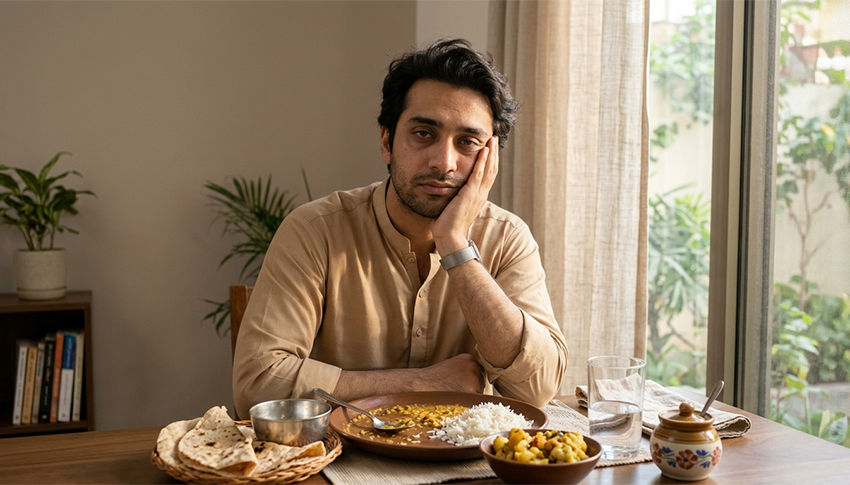
Experiencing drowsiness after lunchtime can be typical, but when it occurs on a frequent basis, it may become annoying. You may wake up feeling full of energy during the morning, but you start noticing a drop in enthusiasm right after lunch.
The usual suspects are a heavy meal or carbs. However, it is essential to understand that food is not the sole cause of daytime fatigue. A natural circadian rhythm, sleep quality, dietary habits, and even water consumption can all contribute to decreased alertness.
Fortunately, you don’t have to go on an extreme diet or change your lunch regime completely. Knowing the reason for your afternoon fatigue will help you implement a number of small changes that could solve the issue. Visiting a nutritionist in Karachi may also give advice on the possible impact of eating habits on the problem.
Read this guide to learn more.
Why Does Your Energy Drop in the Afternoon?
Your body has a natural 24-hour cycle called the circadian rhythm, which affects the times you feel alert and sleepy. It’s common for most people to feel less alert in the early afternoon, regardless of having eaten. This explains why one might feel sleepy after lunch, even if the meal was light. Inadequate sleep can cause this afternoon dip to appear even more pronounced. If it is chronic from too little sleep, changing lunch alone won’t solve the problem. Instead, visiting a nutritionist in Karachi may help you evaluate your diet, physical health and develop a plan that keeps you energized throughout the day.
Is Your Lunch Too Heavy?
Heavy meals often leave you uncomfortable and lethargic, particularly in cases where you’re already having your afternoon slump. For instance, a chunky serving of biryani followed by desserts could make you feel more sluggish than a regular, light lunch would do. However, this doesn’t mean you have to stop eating the foods you love. Make sure you pay attention to your portion sizes. Consulting with a nutritionist can help identify the right portion size required to meet your need without leading you to feel deprived.
Can Carbohydrates Make You Sleepy?
Rice, bread, roti, and pasta are typically held responsible for the after-lunch lethargy. Nonetheless, carbohydrates play a vital role in providing energy, so cutting down on them isn’t something we’re usually required to do. Instead, what’s important is the overall composition of your meals. For instance, a lunch with only refined carbohydrates will fill you well, but will do so differently than a lunch with carbohydrates and proteins, as well as fibers. Similarly, eating rice with chicken, daal, or vegetables provides a better meal than eating it alone. Don’t avoid carbohydrates altogether; instead, think of what you’re putting on your plate with your carbs.
Is Your Lunch Missing Protein and Fiber?
When it comes to eating, the feeling of fullness will not last for too long. Foods that contain proteins and fibers are filling and are good for balanced eating habits. Eating eggs, chicken, fish, lentils, beans, and yogurt can provide you with proteins. Vegetables, fruit, legumes, and whole grain products are excellent sources of fiber.
Even a simple lunch made of roti, daal, vegetables, and yogurt is nourishing and can be made without a lot of effort. If you are not sure whether your meals are balanced, you can seek help from a nutritionist who can suggest some healthy and delicious dishes based on what you already eat and like.
Could Your Eating Schedule Be Affecting You?
The meals you have during the day can also affect your well-being in the afternoon. If you are usually a breakfast-skipper or across many hours without eating any meals, you may feel extremely hungry by the time lunch comes around and consume food more than you desire.
Eating too fast or until you feel full can lead to feeling tired. While it is true that everyone has their own eating habits, consider whether your current eating arrangement allows you to avoid getting hungry. Having regular meals or snacks planned in between meals can help you avoid excessive hunger, especially if you continue to not eat for many hours at a time.
When Should You Consult a Nutritionist?
If you’ve been experiencing tiredness after eating, getting help from a nutritionist may be just what you need to get better insight into your food consumption habits. They might assess your meals, portions, the types of foods you’re eating, etc. to make meaningful changes. Instead of imposing drastic dietary changes, solutions might include creating a diet plan for you that considers your lifestyle, taste preferences, as well as dietary requirements.