
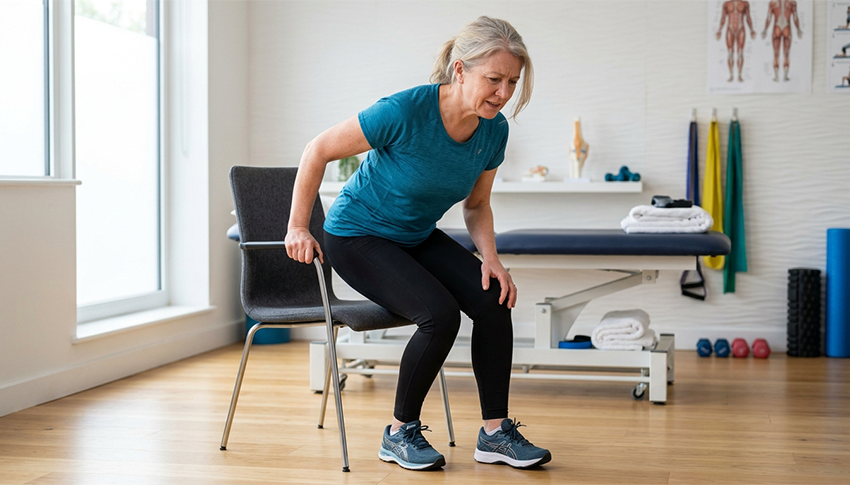
Do you feel young enough to travel, take long walks, enjoy weekends outdoors and stick to your usual routine but lately your knees appear to have other ideas? Getting up after sitting down for a while may seem uncomfortable. It takes a lot more effort to climb stairs. You might even find yourself grabbing a chair for activities that never used to bother you.
It is simple to disregard these changes as just the normal aging process. But dealing with ongoing knee pain and stiffness doesn’t have to be part of the package. Many adults in their 40s, 50s and older experience these symptoms, which can be related to osteoarthritis, a prevalent joint condition affecting the comfort of your movement. A key first step in staying active is to gain insight into what is going on inside your knees and how osteoarthritis treatment can help.
Continue reading to find out more about this.
What Causes Stiffness in the Knees?
Your knee is a joint that allows your leg to bend, straighten, and support your body weight during everyday activities. Cartilage inside the joint also gives a smooth surface for the bones to move against without causing any friction. In osteoarthritis, changes occur in the cartilage, underlying bone, and other joint tissues. These changes can lead to pain, stiffness, and decreased movement.
Some stiffness may be felt when rising from bed or standing after sitting for a prolonged period. This can get better with movement, but it may not for everyone. Certain symptoms of a stiff knee may not be caused by OA, but if they keep coming back and begin to interfere with everyday life, it’s worth paying attention to.
Why Does Climbing Stairs Become Difficult?
Walking on a flat surface is different from walking up a flight of stairs. Climbing or descending stairs requires the muscles around the knees to make greater efforts to regulate movement and maintain body weight. For people with OA, these movements could be uncomfortable, as the joint is more sensitive to load. Walking downstairs can sometimes feel particularly difficult because your thigh muscles must control your body as you lower yourself onto the next step. Weakness in the muscles supporting your knees can make this even more challenging. This is why strengthening exercises around the joint are frequently a part of osteoarthritis therapy.
Is Your Age the Only Reason for Knee Pain?
Although osteoarthritis becomes more common with age, getting older is not the only factor involved. Various factors like previous knee injuries, obesity, muscle weakness, family history and repeated physical stresses can all impact risk. A person who suffered a knee injury several years ago could experience symptoms sooner than anticipated. Similarly, another individual can have knee pain because other muscles do not support the knee during movement. It is also important to remember that knee pain can have causes other than osteoarthritis. Your healthcare provider can evaluate your symptoms, examine your knee, and decide if more testing is needed.
Should You Rest When Your Knees Hurt?
Avoiding movement can seem like the best idea when you have knee pain. Rest can be useful during a temporary increase in symptoms, particularly if an activity has aggravated your knee. Extended periods of inactivity may cause muscle weakness and greater stiffness, however, and make daily activity more difficult. Physical activity is a key component of osteoarthritis management for many and can be selected appropriately. Walking, cycling and swimming can be options if the individual feels comfortable doing them and their condition allows. The aim is not to push through intense pain. The goal is to choose the level of activity that allows you to keep your strength and mobility and avoids needless exacerbation of symptoms.
How Can Osteoarthritis Therapy Help?
Treatment for osteoarthritis is aimed at alleviating symptoms, enhancing mobility, and making it easier to function in your daily activities. Your physiotherapist may start by examining your knee movement, muscle strength, walking style and what activities are causing you pain. Based on this assessment, they can recommend exercises designed to strengthen the muscles supporting your knees and improve joint function. Other forms of treatment could involve instruction for reducing activity, changing challenging patterns, and easing up on physical activity. Physiotherapy cannot reverse the progression of osteoarthritis at this time; however, the right type of physio-led exercises can alleviate pain and improve physical function for many people.